Buying guide, Uniforms
Zipper Jackets, Fleece and Windcheaters as Branded Staff Outerwear: Fabrics, Hoods and Embroidery vs Print
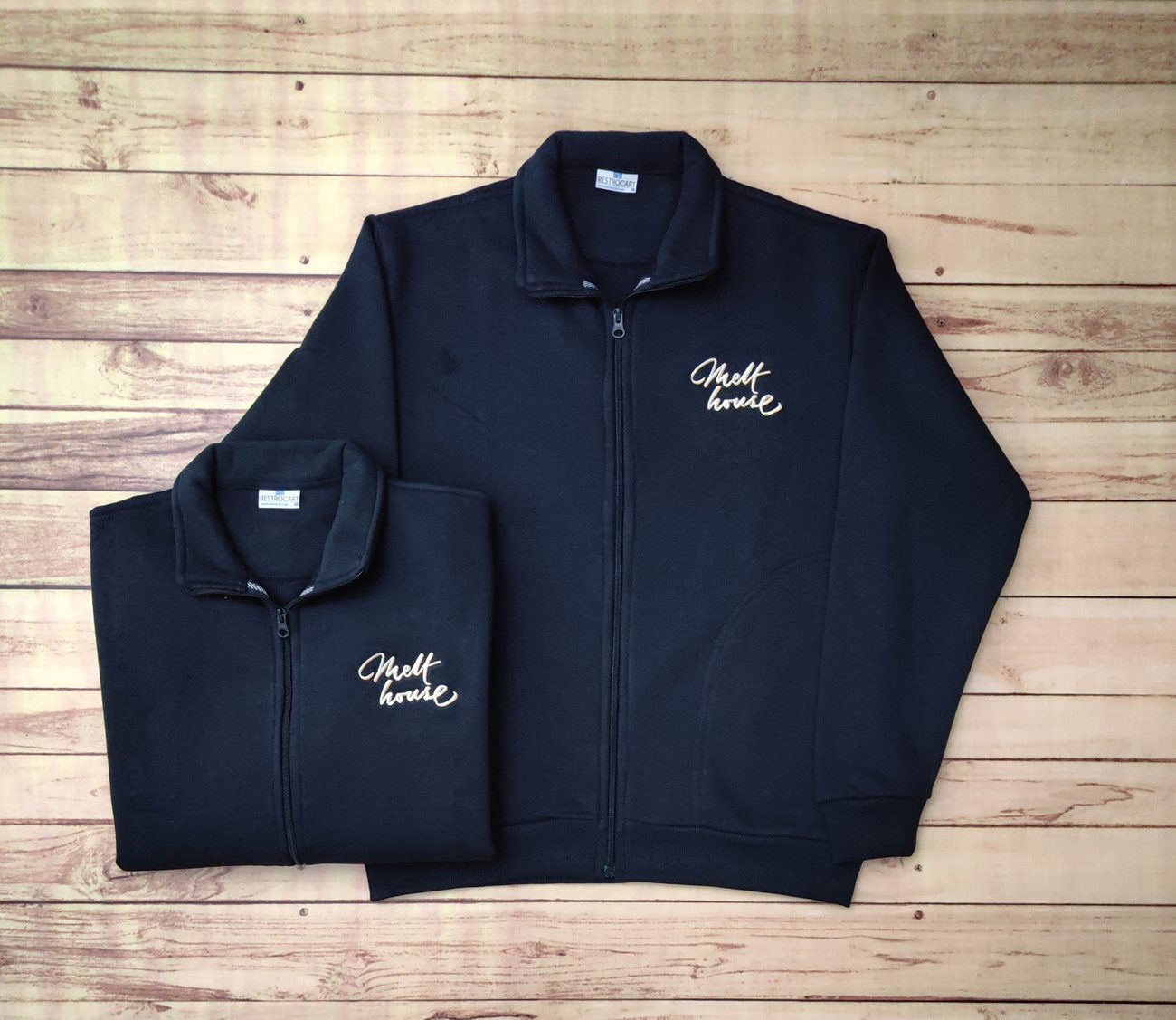
If you could give your team only one piece of branded outerwear, it should probably be a zipper jacket. It goes on over a chef tee, a polo, a shirt or a kurta. It zips open when the tandoor side of the dining room warms up and closes again on the terrace. It survives the laundry, looks smart in a photo, and staff wear it on their days off, which means your logo travels well beyond the restaurant.
This guide covers zipper jackets, fleece jackets and windcheaters as branded staff outerwear for restaurants, cafes, bakeries and hotels: the fabrics and weights that suit Indian winters, whether you need a hood, where the pockets go, and when to embroider versus print. For sweaters and cardigans on formal service floors, see our separate guide to staff sweaters and cardigans. For hoodies and the wider winter picture, start with the restaurant winterwear guide.
Zipper jacket, fleece or windcheater: what each one does
The three names overlap in everyday use, so it helps to be precise about what you are ordering.
| Garment | What it is | Best for |
|---|---|---|
| Fleece zipper jacket | Knitted cotton-poly fleece, brushed inside, full front zip, usually a stand collar | Service, kitchen, bakery counters, cafes; the everyday winter layer |
| Hooded zipper | The same fleece with an attached hood, often with a kangaroo or side pockets | Cafes, back of house, prep teams, younger brands, merchandise |
| Windcheater | Light woven polyester or nylon shell, sometimes with a mesh or fleece lining | Riders, valets, outdoor seating, breezy evenings, light drizzle |
| Padded or quilted jacket | Shell fabric with a fill layer for insulation | Hill properties, night valets and security in the coldest weeks |
Many teams need two of these: a fleece zipper for everyone, plus a windcheater for the roles that spend the evening outdoors. The windcheater can go over the fleece on the coldest nights, which avoids ordering a heavy jacket that is only needed for three weeks a year.
Fabrics and weights that suit Indian winters
Fleece
Most staff zipper jackets are made in cotton-poly fleece, a knitted fabric with a smooth face and a brushed, fluffy back. The cotton makes it comfortable; the polyester helps it hold shape, dry faster and resist shrinking. Weight is given in GSM:
- 240 to 280 GSM: a light layer for mild winters, indoor roles and the western and southern cities.
- 280 to 340 GSM: the sweet spot for Delhi NCR, Punjab and Jaipur. Warm enough for an open terrace on a December night, light enough to wear indoors.
- Above 340 GSM: for hill properties and staff who work outdoors at night, such as in Srinagar. Bulkier under an apron.
Ask for a fleece with an anti-pill face if the jacket will be worn under apron straps or bag straps, because friction is what causes pilling.
Windcheater shell
Windcheaters are woven, not knitted, usually polyester taffeta, microfibre or nylon with a water-repellent finish. They block wind and shed drizzle, and they pack small. A mesh lining makes them comfortable in humid weather; a thin fleece or quilted lining turns them into a proper winter jacket. Remember that a windcheater is not a raincoat: for the monsoon, our monsoon rainwear guide explains what riders and valets actually need.
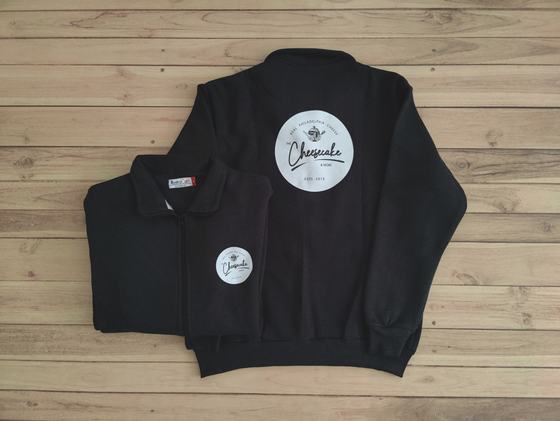
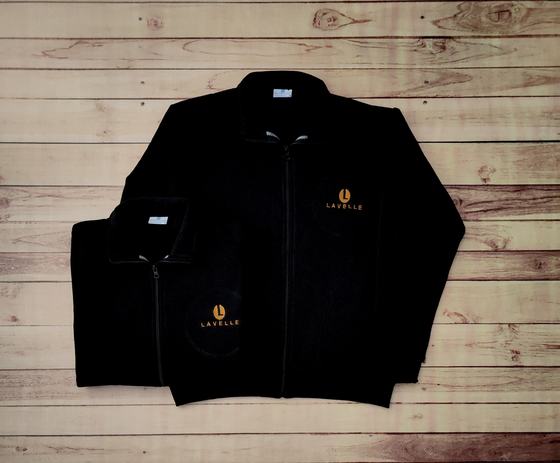
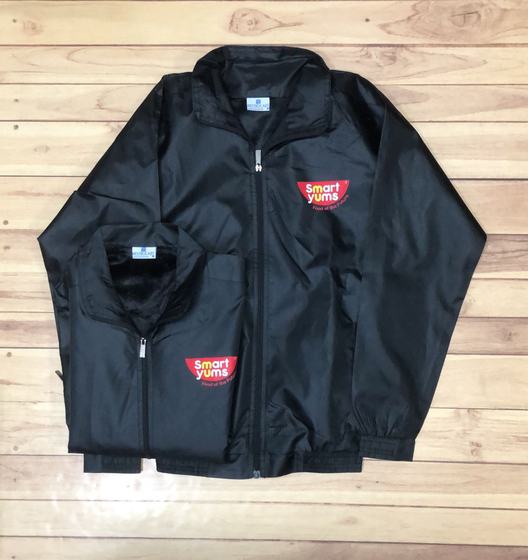
Design details that matter in a working jacket
Collar or hood
For service floors, hotels and anywhere staff wear a name badge or apron, a stand collar is neater than a hood. It keeps the neck warm, sits flat under a bib apron strap and looks like a uniform rather than casual wear. Hoods belong on kitchen, prep, rider and outdoor roles, and on jackets you plan to sell as merchandise. If you need both, ask for a hood that rolls into the collar.
Zip
The zip is the part that fails first on cheap jackets. Ask for a metal or good-quality moulded zip with a sturdy puller, and an inner zip guard so the teeth do not scratch the chin or catch on a shirt collar. A two-way zip is useful for riders, who can open the bottom when seated.
Pockets
Side pockets with a zip or a deep angled opening keep phones, keys and order pads safe. A small inner chest pocket is handy for managers. Avoid large front patch pockets on service jackets: staff fill them, and the jacket loses its shape.
Cuffs and hem
Rib cuffs and a rib hem keep warmth in and stay out of the way when staff reach across a table or a pass. On windcheaters, elasticated cuffs and a drawcord hem do the same job.
Colour
Navy, black, charcoal, bottle green and maroon are the most practical colours for working jackets because they hide marks. Beige, camel and olive look fresh and suit cafes and bakeries, but show stains sooner. A useful approach for larger teams is one jacket style in two colours, dark for the kitchen and a lighter tone for the counter or floor.
Want a jacket your team will actually wear? Send us your roles, headcount, city and logo. We will send fabric swatches, a branding mockup and a sample before production.
WhatsApp +91 98213 34906 Email info@restrocart.comEmbroidery vs print on staff jackets
Outerwear is where the embroidery versus print question matters most, because jackets carry the biggest logos and are worn the longest. The short answer: embroider small, print big.
| Embroidery | Print (screen, DTF or heat transfer) | |
|---|---|---|
| Best placement | Left chest, sleeve, back of collar | Full back, large chest graphics, slogans |
| Look | Raised, premium, retail-grade | Flat, bold, can be full colour and photographic |
| On fleece | Excellent for small logos | Good; choose a print method suited to fleece so it does not crack |
| On windcheaters | Possible on lined jackets; avoid on waterproof shells | Preferred; keeps the shell sealed |
| Large designs | Heavy and stiff; not recommended | The right choice |
| Fine detail and gradients | Needs simplifying | Reproduced well |
Many of the staff jackets we make combine both: an embroidered logo on the left chest and a printed graphic on the back. Our full embroidery vs printing guide covers durability and wash care in detail.
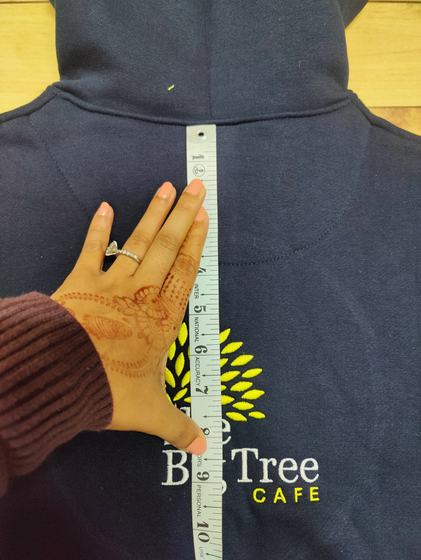
Size and placement are worth checking on the sample. A back logo that looks right on a mockup can look too large on a small size or too small on an XXL, so ask your supplier to scale the print across sizes or to check it on both ends of your size range.
Matching outerwear to roles
- Chefs and kitchen team: fleece zipper, with or without a hood, for walk-ins, early prep and walking between kitchens. Not worn on the line itself.
- Stewards and servers: stand-collar fleece zipper in a dark shade, embroidered chest logo, worn under the apron.
- Baristas and counter staff: fleece zipper or hooded zipper in a brand colour; a good candidate for a retail version.
- Managers: the same jacket in a different colour, or a sweater; see our manager uniform guide.
- Delivery riders: windcheater with a large back print and reflective piping, with the fleece underneath in winter.
- Valets, security and outdoor staff: lined windcheater or padded jacket in the coldest weeks.
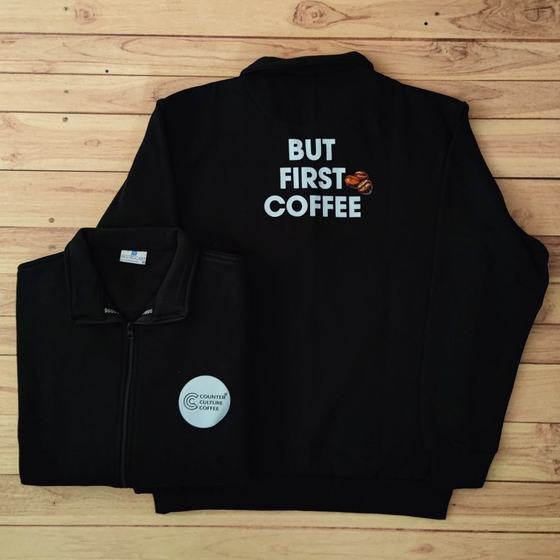
Staff jacket, merchandise jacket
A good staff jacket is one small step from something guests want to buy. It is easy to order a staff run and a retail run of the same zipper jacket at the same time, with role details left off the retail version. Because the fabric, colours and artwork are shared, the setup is simple, and the merchandise side can offset part of the uniform cost. If that interests you, our guide to restaurant merchandise that sells is the place to start.
Caring for fleece and windcheaters
Fleece jackets last longest when they are washed inside out, zipped up, in cool or lukewarm water, and dried in the shade. Zipping up before the wash stops the teeth snagging other garments, and turning the jacket inside out protects both the embroidery and the print. Avoid tumble drying on high heat, which flattens the brushed back and can crack prints. Windcheaters need even less: a gentle cold wash or a wipe down, dried on a hanger. Never iron over a print or a coated shell. Kept this way, a good staff jacket comfortably sees more than one winter.
Ordering checklist and timeline
Before you place a jacket order
- Roles that need a jacket, and which need a windcheater as well.
- Fleece weight for your city; windcheater lining if needed.
- Stand collar or hood, per role.
- Zip quality, pocket style and cuff finish confirmed on the sample.
- Chest logo (embroidery) and back artwork (print) approved on a mockup.
- Size spread from the whole team, plus spares in the two most common sizes.
- A retail version, if you plan to sell it.
- In-hand date: mid November for North Indian winters.
Winter is peak season for uniform manufacturers, so the earlier the better. Our typical timeline is two to three weeks for design and sampling and two to four weeks for production after approval. A September brief usually leaves enough time to get jackets to your team before the first cold week; we confirm dates with the quote. You can see recent jackets and windcheaters in the winterwear gallery.
Get a quote for branded staff jackets
RestroCart designs and makes custom zipper jackets, hooded zippers, fleece jackets and windcheaters for restaurants, cafes, bakeries, cloud kitchens and hotels, from our studio in Naraina, New Delhi, with delivery anywhere in India. Message us on WhatsApp at +91 98213 34906 with your roles, headcount and logo, or use our quote page. We keep your fabric codes and artwork on file, so next winter's reorder matches this one.
Brief us before the winter rush. Share your logo and headcount and we will reply with fabric options, a mockup and a delivery date.
WhatsApp +91 98213 34906 Email info@restrocart.comSee the real thing: 64 hoodies and sweatshirts we have made · 51 jackets and windcheaters we have made