Buying guide, Uniforms
Embroidery vs Printing on Restaurant Uniforms: Which Branding Method to Choose
The same logo can be applied six different ways, and the choice affects how the uniform looks on day one, how it looks after fifty washes, and what the order costs. Here is how each method behaves.
Embroidery
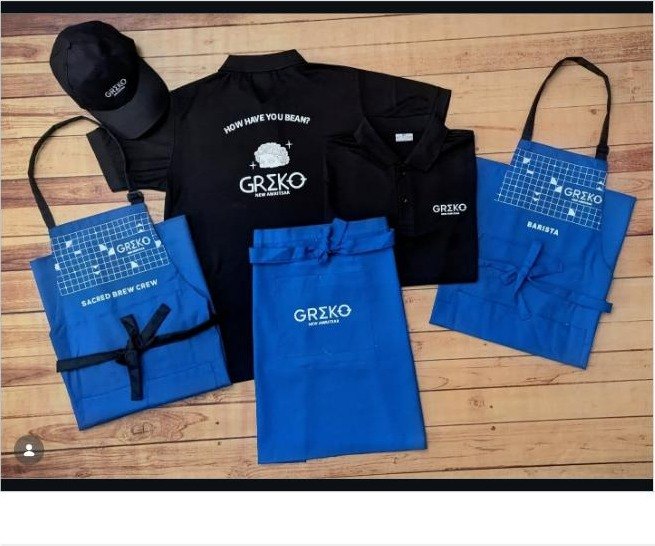
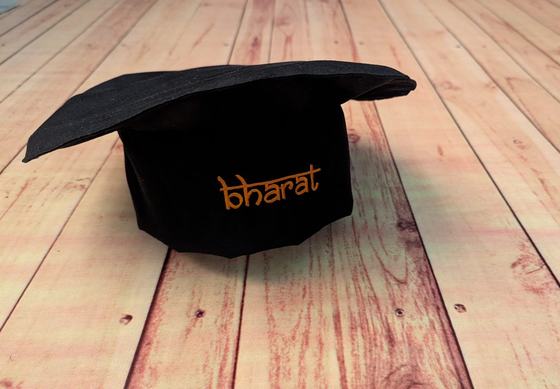
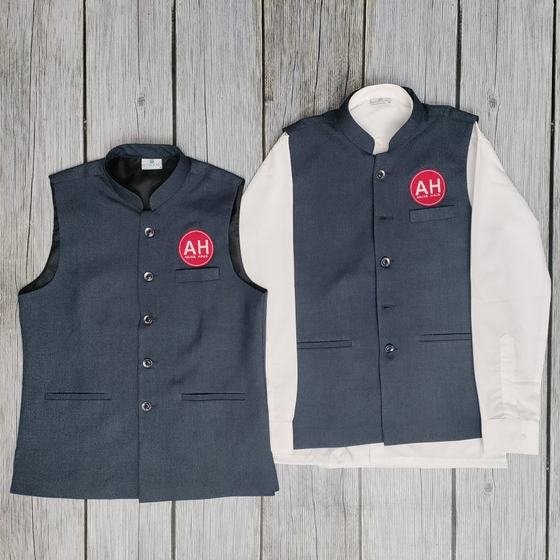
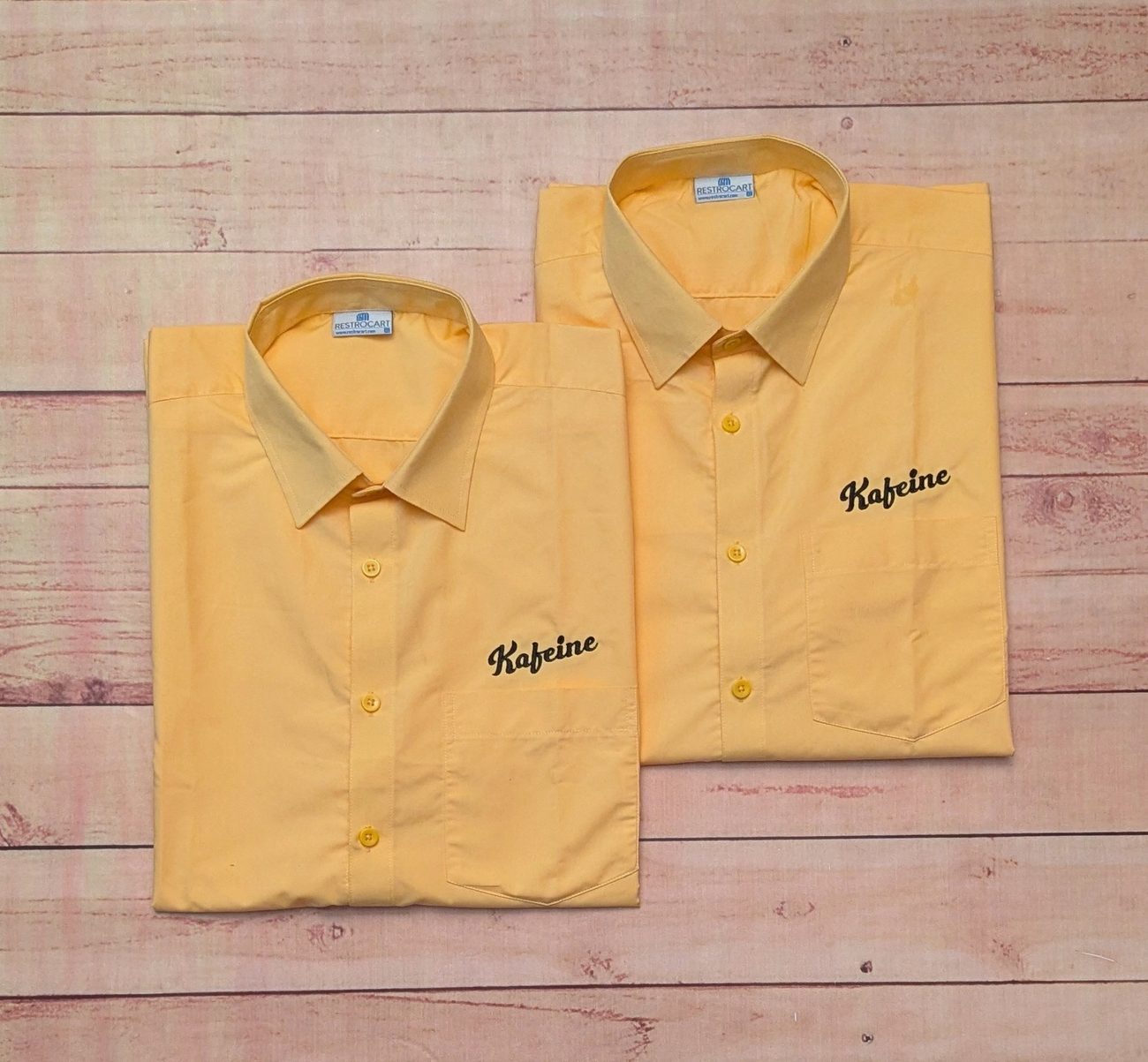
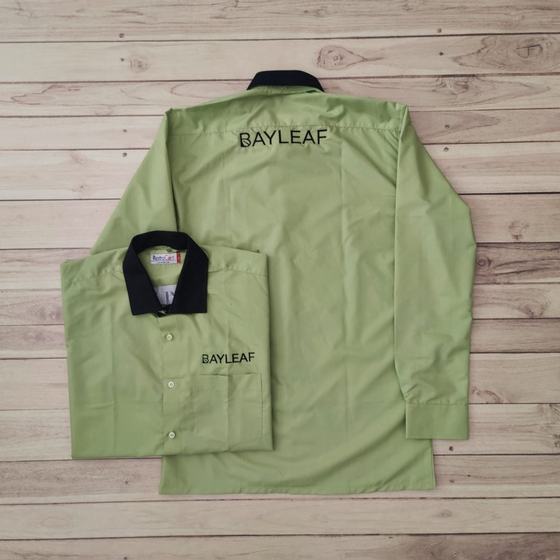
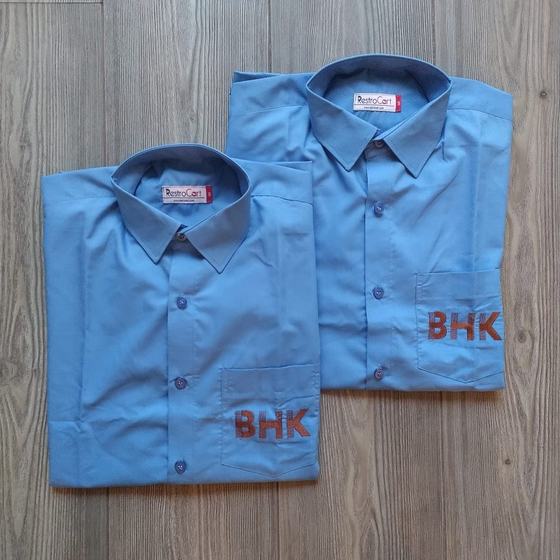
Thread stitched directly into the fabric. It has physical depth, catches light, and reads as premium in a way flat printing cannot. It survives hot washes, bleach exposure and years of wear. It is the right answer for chest crests, cap fronts, apron bibs, polo placket marks and anything on a chef coat.
Limits: fine detail below about 4 mm gets lost, gradients are impossible, and each additional thread colour adds cost. Large embroidered areas become stiff and heavy. If your logo has thin serifs or a photographic element, we will usually redraw a simplified crest version specifically for embroidery, and it almost always looks better than the original at that size.
Screen printing
Ink pushed through a mesh, cured with heat. Excellent for large flat-colour graphics, very economical at volume, and the standard for back prints and merchandise tees. Each colour needs a separate screen, so a three-colour design costs more to set up than a one-colour design but nothing more per piece after that. Prints soften with washing and will eventually crack, so screen printing is best on garments you expect to replace annually.
DTF and digital printing
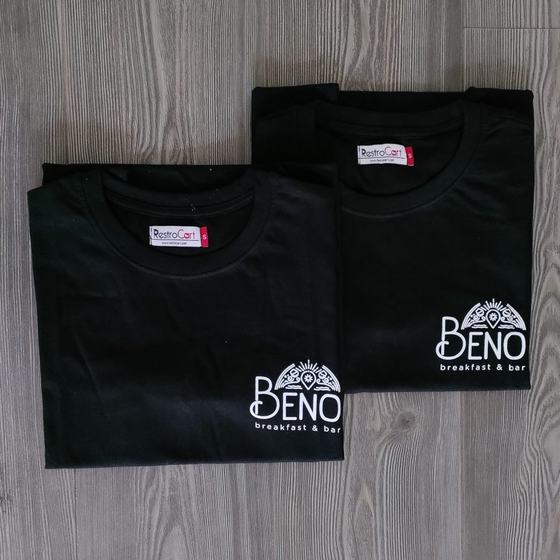
Direct-to-film transfer prints full-colour artwork with no colour limit and no screen setup, which makes it the best choice for small runs and complex designs. Durability sits between screen print and embroidery. This is what we use for photographic artwork, gradients and short-run merchandise drops.
Sublimation
Dye is gassed into polyester fibres, so the print becomes part of the fabric with no hand-feel at all and effectively no wear. It only works on polyester and only on light bases, which limits it to dry-fit tees, sports-cut uniforms and all-over-print designs. For a delivery team in dry-fit polos with an all-over pattern, it is unbeatable.
Woven and leather patches
A separate label made off-garment and then stitched or riveted on. Woven patches allow finer detail than embroidery at small sizes. Leather and leatherette patches with debossed or metal-stamped logos give a heritage, craft signal that suits breweries, steakhouses and specialty coffee. They also let you brand a garment you cannot easily embroider, like a heavy denim apron.
Choose the method per garment, not per brand. Most of our clients end up with embroidery on aprons and chef coats, a leather patch on denim, and a DTF back print on the merchandise tee. That is not inconsistency, it is craft.
A simple decision table
- Chest crest on shirt, polo, chef coat, cap: embroidery.
- Apron bib: embroidery, or a leather patch on denim.
- Large back graphic: screen print at volume, DTF for small runs.
- Photographic or gradient artwork: DTF.
- All-over pattern on polyester: sublimation.
- Heritage or craft brands: leather or metal patch.
Send us your logo
Share a vector file if you have one and we will show you what it looks like as a stitched crest, a print and a patch before you commit. WhatsApp +91 98213 34906 or see finished branding on our work gallery.