Operations, Uniforms
Rebranding a Restaurant: How to Refresh Uniforms, Menus and Supplies in Phases, Without Waste
A rebrand is exciting until someone opens the store room. There are four hundred menus with the old logo, two cartons of printed bags, forty aprons in the old colour and a new set of brand guidelines that makes all of it look out of date. Handled badly, rebranding a restaurant means binning thousands of items and still ending up with a dining room where half the team is in the old uniform. Handled well, it is a phased switch where guests see a clean new identity on day one and almost nothing goes to waste.
This guide is for owners and operators refreshing a restaurant, cafe, bar or hotel outlet, whether that means a new logo, a new colour palette or a new name. It covers how to audit what you have, what to change first, how to phase the rest, and how to design the new system so the next refresh is easier. We make uniforms, tableware, print, packaging and signage at RestroCart, so we see rebrands from the supply side.
First, decide what kind of rebrand this is
The scale of the change decides how much has to be replaced. Be honest about which one you are doing before you brief anyone.
| Type of change | What usually needs replacing | What can often stay |
|---|---|---|
| Logo refresh (same name, same colours) | Embroidered and printed logos on guest-facing items; signage; menu covers | Base garments, plain aprons, most table linen, plain packaging |
| New colour palette | Most uniforms, aprons, napkins, coasters, menus, packaging | Neutral trousers, black or white basics, plain glassware |
| New name | Everything that carries the name: signage, uniforms, menus, packaging, print, badges | Neutral base garments and unbranded tableware |
| Concept change (new cuisine or format) | Uniform styles as well as branding, plus menus and table-top formats | Very little, but plan it as a new opening |
A concept change is really a new opening; our restaurant opening supplies checklist is the better guide for that. The rest of this article is about the first three.
Step one: audit every branded item
Before any design work, list everything that carries your brand and how much of it you hold. This takes an afternoon and saves more money than any other step.
Rebrand audit
- Uniforms by role: how many pieces, their condition, and when you would normally replace them.
- Aprons, caps, name badges and winterwear, counted separately.
- Menus, menu inserts, tent cards and table stands.
- Coasters, napkins, placemats, bill folders and caddies.
- Packaging: bags, boxes, sleeves, stickers and seals, with monthly usage.
- Stationery: visiting cards, invoices, feedback cards.
- Signage: exterior, interior, parking, washroom and display boards.
- Merchandise in stock for sale.
- Supplier artwork files, so you know who holds the old logo and needs the new one.
For each item, note two things: how visible it is to guests, and how many weeks of stock you hold. Those two numbers decide the phasing.
What to change first, and what can wait
The principle is simple: change the most visible things together, on one date, and let the least visible things run down.
| Item | When to switch | Why |
|---|---|---|
| Exterior signage | Launch day | The rebrand starts here; guests notice first |
| Front-of-house uniforms | Launch day, all at once | Mixing old and new on the floor looks like a mistake |
| Menus and table-top | Launch day | Guests read and photograph them |
| Name badges | Launch day | Quick to make and highly visible |
| Takeaway and delivery packaging | As old stock runs out | Customers accept a short overlap; scrapping stock is waste |
| Kitchen and housekeeping uniforms | Next scheduled replacement | Less visible; replace on the normal cycle |
| Stationery | As stock runs out | Low visibility and low volume |
| Merchandise | Sell through old stock, then relaunch | Old merch can become a limited 'original' run |
If you run an open kitchen, move kitchen uniforms into the launch-day group. Guests can see them, so they count as front of house.
Planning a rebrand? Send your new brand files and a rough stock list and we will suggest a phased switch plan with a timeline.
WhatsApp +91 98213 34906 Email info@restrocart.comRefreshing uniforms without replacing everything
Uniforms are usually the largest single cost in a rebrand, and also the category where the most can be saved with a little thought.
Change the branded layer, keep the neutral base
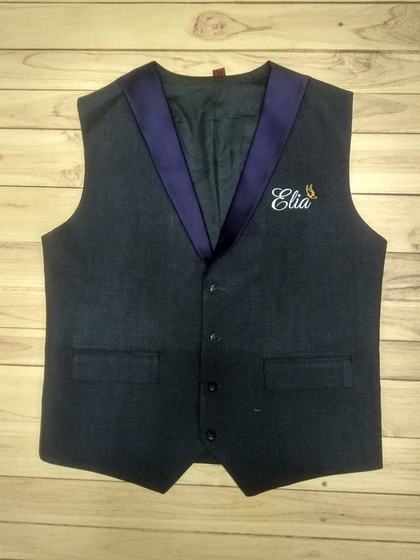
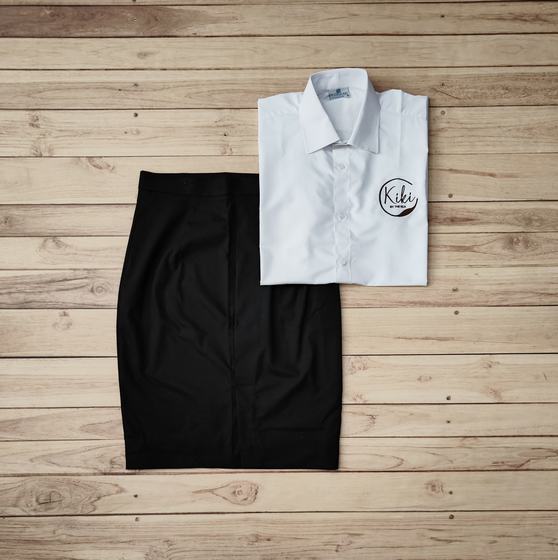
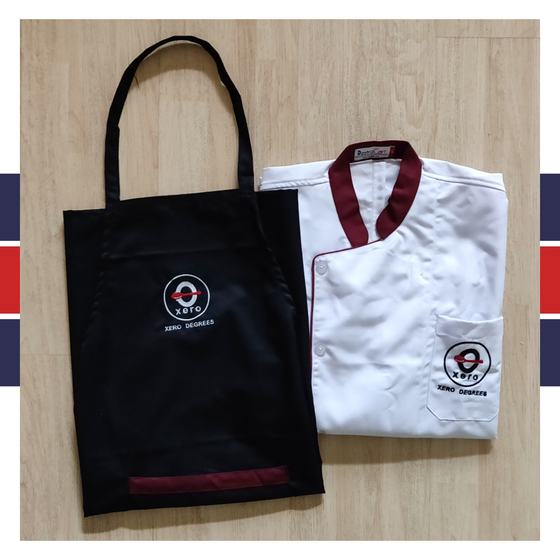
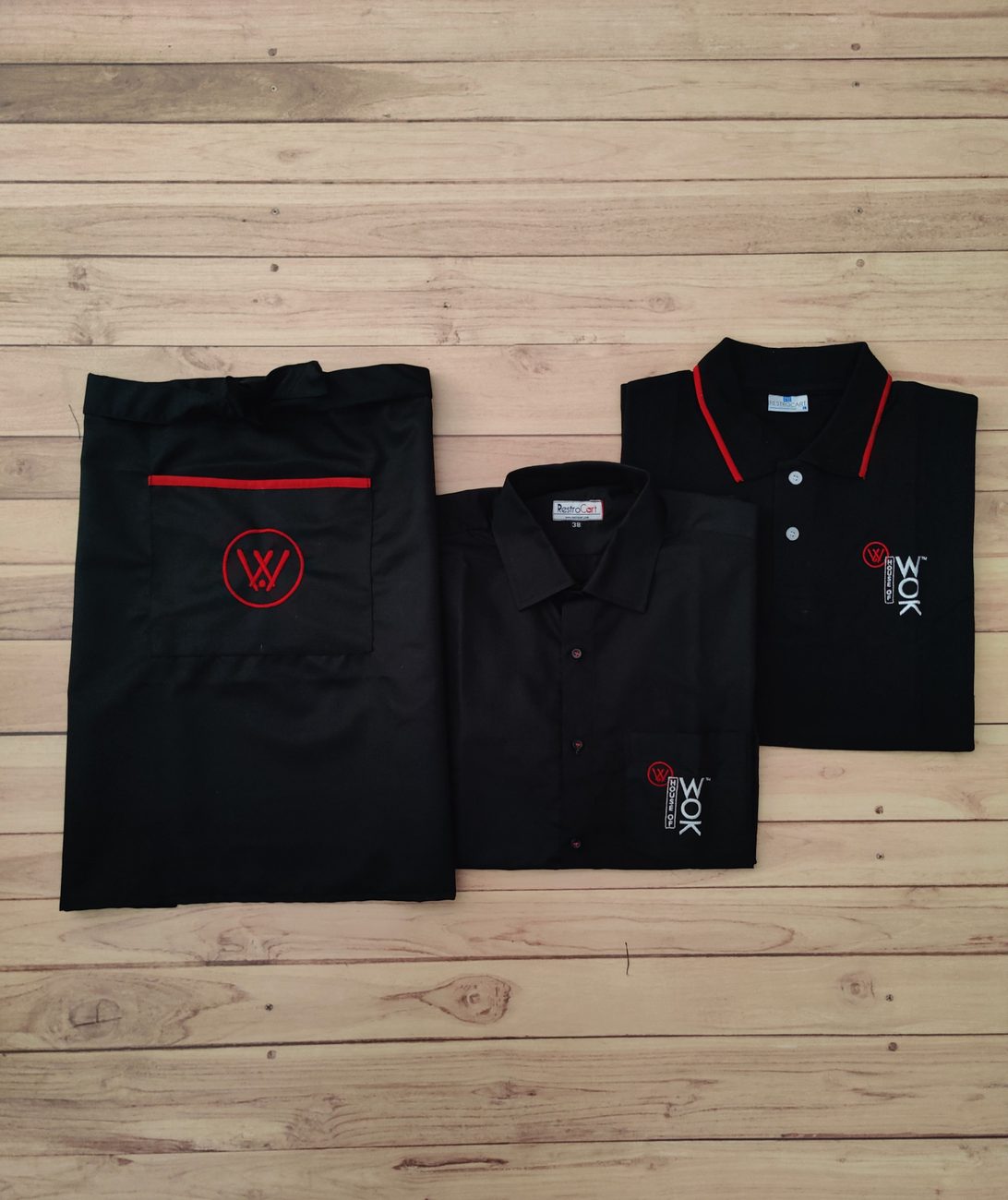
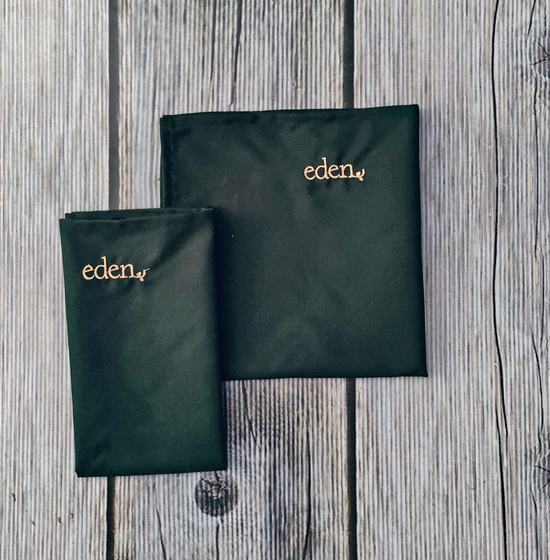
If your team wears black trousers, plain shirts or plain chef coats with a branded apron, cap and badge, a logo refresh may only need new aprons, caps and badges. Garments where the logo is embroidered on the chest will need replacing, but plain pieces can stay in use. This is also the best argument for designing the new uniform so that brand identity sits mainly in replaceable pieces.
Time the switch to the replacement cycle
Uniforms wear out anyway. If your front-of-house kit is due for replacement in the next few months, bring the replacement forward to the launch date and order the new design. If it was replaced recently, change only what guests see most and let the rest follow on the normal cycle.
Stop reordering the old design early
Once a rebrand date is set, stop placing large orders of old-design uniforms. For new joiners in the gap, order small top-ups only, or use plain pieces with a badge. Our guide to reordering restaurant uniforms covers how to size top-ups.
Get colour right across materials
A new brand colour behaves differently on cotton, polyester, canvas, MDF, paper and ceramic. Ask for physical swatches and proofs for every material before bulk, and check them side by side. The uniform colour guide explains how lighting and fabric change how a colour reads, and our note on embroidery versus printing helps decide how the new logo should be applied.
Menus, table-top and print
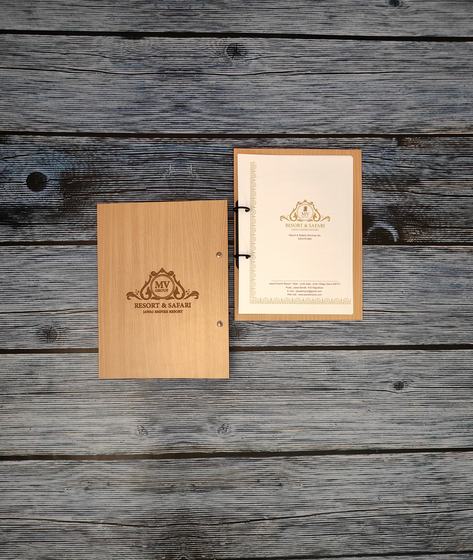
Menus are the item guests look at longest, so they belong on launch day. The waste-saving move is structural: choose a menu format where the cover or board carries the brand and the pages are printed inserts. That way, future price or dish changes never mean replacing the whole menu. Boards and clipboards are covered in our guide to MDF menu boards and clipboard menus.
Menu and table-top switch
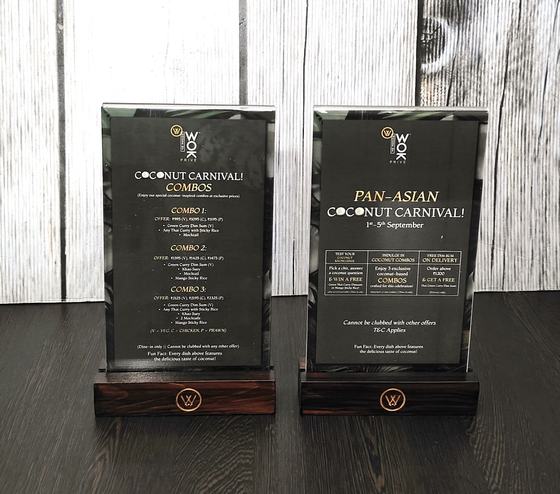
- Replace menu covers, boards and inserts for launch day, with spares.
- Replace tent cards and QR stands, and update any QR links to the new website or listings.
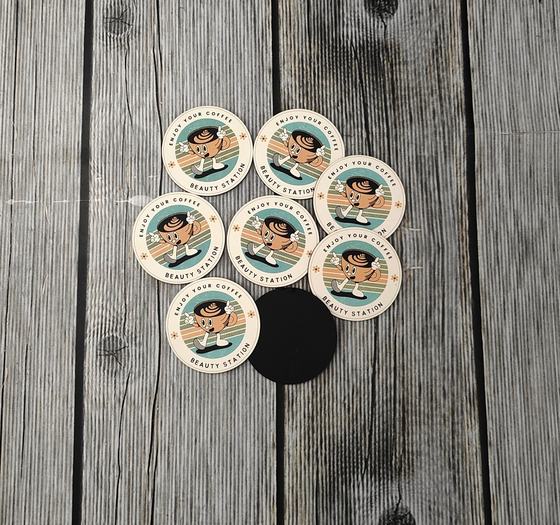
- Switch coasters and napkins if colours changed; otherwise switch as stock runs out.
- Replace bill folders if they carry the old logo prominently.
- Update feedback cards and visiting cards once the new website and handles are live.
Packaging, merchandise and signage
Packaging is the easiest place to waste money. Calculate how many weeks of each item you hold, reduce reorders as the date approaches, and time the last order of old packaging to run out close to launch. Where you have a lot of plain boxes or bags, a new branded sticker or seal can carry the new identity without reprinting everything. Our delivery packaging guide covers where branding matters most.
Merchandise in the old design can be sold as a final run before the relaunch. Some guests like owning the original.
Signage needs the longest planning after uniforms, because it needs measurements, fabrication and installation, and some buildings or malls require approval for exterior changes. Order it early enough to install the night before launch.
A sample rebrand timeline
Most rebrands are comfortable with eight to ten weeks between final brand files and launch day. Here is how the work usually stacks up. Times vary by item and quantity, and your supplier should confirm them.
| When | What happens |
|---|---|
| Week -10 | Brand files final; stock audit done; launch date shared with every supplier; stop large reorders of old designs |
| Week -9 | Brief uniforms, menus, signage and badges together from the new files |
| Week -8 to -7 | Mockups approved; physical swatches and material proofs checked side by side |
| Week -7 to -6 | Uniform samples approved; signage artwork approved; bulk production starts |
| Week -4 | Order new packaging timed to replace old stock as it runs out; print menu inserts once prices are fixed |
| Week -2 to -1 | Uniforms, badges, menus and table-top items in the building; staff try on and train in the new look |
| Launch day | Signage, front-of-house uniforms, menus and badges switch together; old items removed from the floor |
| After launch | Packaging, stationery and back-of-house uniforms switch as stock runs down |
The single most useful thing you can do is keep the launch-day items in the building, unused, until the night before. A partial early switch, where a few staff start wearing the new aprons a week ahead, undoes the moment.
Multi-outlet rebrands: pilot, then roll out
If you run several outlets, rebrand one first. Service will show you whether the new apron is practical, whether the new colour hides stains, and whether the menu format works on your tables. Adjust, lock the specification, then roll out to the other outlets on a schedule. Keeping patterns, fabric codes and artwork on file is what makes outlet five match outlet one. Our guide to multi-outlet uniform programmes covers the planning side.
What to do with old branded items
- Plain garments without logos can stay in use or become spares.
- Worn branded uniforms can be retired as cleaning cloths or back-of-house spares.
- Before donating anything with your old logo, remove or cover the branding so it cannot be used to represent your restaurant.
- Old menus and print can often be recycled; keep one of each for your archive.
Want the switch to happen on one day? Share your launch date and we will plan uniforms, menus, badges and packaging to arrive together.
WhatsApp +91 98213 34906 Email info@restrocart.comGet a quote for your rebrand
Send your new brand files, your stock audit and your launch date on WhatsApp at +91 98213 34906, email info@restrocart.com, or list the items on our quote builder. We will suggest what to switch on launch day, what to phase, and a timeline that fits.