Buying guide, Merchandise
Branded Cushion Covers and Soft Furnishings for Cafe Interiors: Fabrics, Printing and Washability
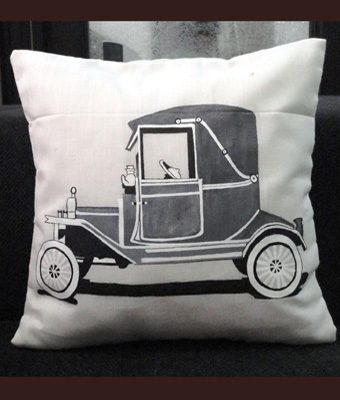
Branded cushion covers and soft furnishings are one of the least expensive ways to change how a cafe interior feels. A banquette of plain grey cushions says "furnished"; the same banquette with covers in your palette, carrying an illustration from your menu, says "designed". They also take more punishment than almost anything else in the room: spilled coffee, sticky hands, bags thrown down, and a wash cycle every week or two.
This guide covers what to choose for a cafe, restaurant or hotel lounge: fabrics, sizes, printing, closures and the washability details that decide whether covers still look good after six months.
Why cafes use custom cushion covers
- Colour without renovation. Covers bring your brand colour into the seating without reupholstering furniture.
- A signature detail. A printed illustration, pattern or line from your brand becomes something guests photograph.
- Seasonal change. A second set of covers for festive season or summer refreshes a room for a fraction of a redecoration.
- Hygiene and upkeep. Removable covers can be washed; fixed upholstery cannot, at least not easily.
Choosing the fabric
Fabric is the decision that most affects how long covers last in a commercial space. Here is how the common options compare for cafe use.
| Fabric | Feel and look | Durability in a cafe | Print suitability | Best for |
|---|---|---|---|---|
| Cotton canvas or duck | Structured, matte, natural | High; resists abrasion and holds shape | Excellent for screen print | Indoor banquettes, chairs, window seats |
| Cotton-linen blend | Soft, textured, relaxed | Medium; wrinkles more, softens with washing | Good for simple prints | Design-led cafes, hotel lounges |
| Poly-cotton | Smooth, slightly sheen | High; colourfast and quick to dry | Good for screen and digital print | High-traffic cafes, commercial laundry |
| Velvet or suede-feel polyester | Rich, luxurious | Medium; marks and shows wear on edges | Limited; better for embroidery or plain | Bars, lounges, private dining |
| Outdoor polyester | Smooth, technical | High outdoors; fade and moisture resistant | Digital print or plain | Terraces, rooftops, garden seating |
| Jute or burlap blend | Rough, rustic | Medium; can shed fibres | Bold artwork only | Accent cushions in rustic interiors |
For most indoor cafe seating, cotton canvas or poly-cotton is the practical choice. If your interior calls for linen or velvet, use them for a few accent cushions rather than every seat.
Fabric weight and weave
Look for a medium to heavy fabric with a tight weave. Thin, loosely woven fabric looks good on day one but pulls and bags at the seams once guests sit on it daily. Pre-shrunk fabric matters more on cushions than on most items: a cover that shrinks even a little no longer fits its insert and strains the zip.
Printing, embroidery and other ways to brand a cushion
Screen printing
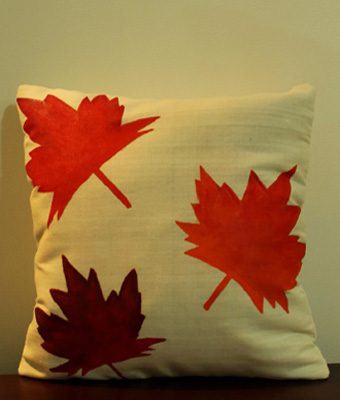
The most common and durable method for cushion covers. Crisp, washable and best with one to three flat colours. Line illustrations, patterns and bold motifs look especially good screen printed on natural canvas.
Digital and sublimation printing
Handles full-colour artwork and photographs. Sublimation works on polyester fabrics, which suits outdoor cushions; pigment digital printing works on cotton. Ask for a wash test on a sample before a large run.
Embroidery
A small embroidered logo or monogram on a corner looks premium on velvet, linen or heavy canvas. It is not suited to large designs on a seat cushion, where the thread takes the most abrasion.
Woven and dyed patterns
For larger projects, a stripe, check or woven pattern in your colours can be more elegant than a printed logo. Plain covers in your brand colour, paired with a few printed accent cushions, often look better than printing every cover.
A cushion should look like part of the interior first and part of the brand second. If guests notice the logo before the cushion, the logo is too big.
Refreshing your cafe seating? Send photos of your chairs or banquettes, your cushion sizes and your brand colours. We will suggest fabrics and a print layout with a mockup.
WhatsApp +91 98213 34906 Email info@restrocart.comConstruction and washability: what to specify
Most complaints about cafe cushions are about construction rather than design. Specify these when you order:
Cushion cover specification checklist
- Concealed zip along the bottom edge, so covers come off for washing and the zip is out of sight.
- Pre-shrunk, colourfast fabric; ask for a washed sample before bulk production.
- Overlocked or bound inner seams so edges do not fray after repeated washing.
- Piping on the edges if you want a tailored look; it also protects the seam from wear.
- Cover size cut to fit the insert snugly; a loose cover looks tired within weeks.
- Two covers per cushion, so one set can be washed while the other is in use.
- Inserts in a firm, resilient filling that recovers after guests sit on it all day.
- Care instructions agreed with your laundry: temperature, detergent and drying.
Sizes and layouts for cafe seating
Measure the inner cushion or the seat, not an old cover. Common sizes:
- Square accent cushions: about 16 by 16 inches or 18 by 18 inches, for chairs, sofas and window seats.
- Lumbar cushions: around 12 by 18 inches, for booths and banquette backs.
- Large floor or bench cushions: made to the seat dimensions, often with a boxed edge.
- Seat pads: thin cushions tied to chairs; ask for ties or non-slip backing.
For a long banquette, alternate plain covers in your main colour with printed accent covers. It looks deliberate and keeps the printed covers special.
Colour and pattern ideas by cafe style
A cushion has to work with the furniture, the walls and the light in the room, not just with your logo. A few approaches that work well:
- Specialty coffee and minimal cafes: natural or oatmeal canvas with a single-colour line illustration, or plain covers in one deep brand colour. Restraint suits concrete, wood and white walls.
- All-day cafes and brunch spots: two or three brand colours across plain and patterned covers, with one printed motif repeated from the menu or signage.
- Bakeries and dessert cafes: soft pastels, small repeat patterns and rounded motifs. Keep light colours to backrests rather than seats, where they mark fastest.
- Bars and lounges: darker tones, velvet or textured fabrics, and embroidery rather than print. Lighting is lower, so contrast matters more than detail.
- Indian and regional concepts: block-print-inspired patterns, ikat or woven textures in your palette. A modern print on a traditional pattern keeps it from looking like a theme restaurant.
Always look at a physical swatch under your own lighting before approving. Warm cafe lighting can turn a cool grey muddy and a bright white slightly yellow.
Daily and weekly care for cafe cushions
Covers last longer when care is a routine rather than a reaction to a spill. Brush crumbs off at closing, spot-clean coffee and food spills the same day with a mild detergent and cold water, and rotate cushions so the most-used seats do not wear first. Wash covers on a schedule, weekly for high-traffic seats and less often for backrests, turning printed covers inside out and closing zips before washing. Dry in shade: strong sun fades printed and dyed cotton faster than washing does. Keep the spare set folded and ready so no seat ever goes bare while covers are in the laundry.
Match cushions with your table linen, uniforms and merchandise
The most finished cafe interiors use the same small palette across cushions, table napkins, table mats and runners, aprons and menus. When one supplier holds your colour references and artwork, a cushion, a napkin and a barista apron can actually match, rather than being three approximations of the same colour.
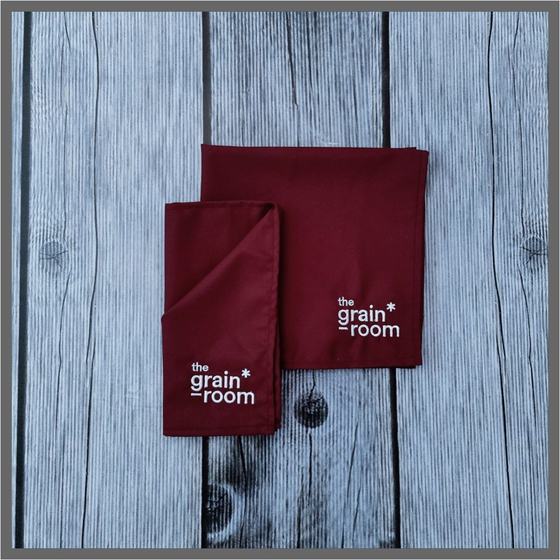
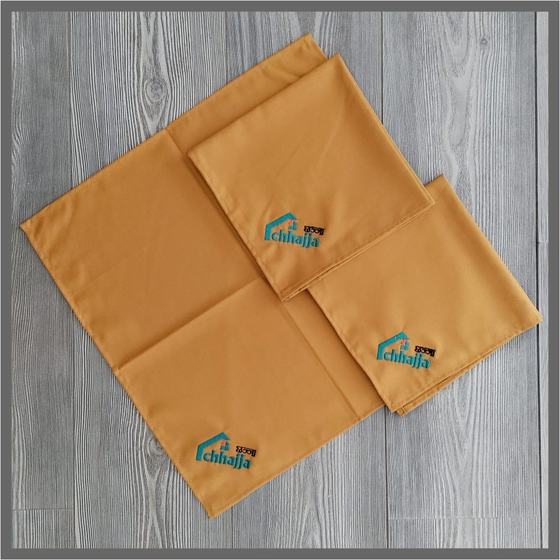
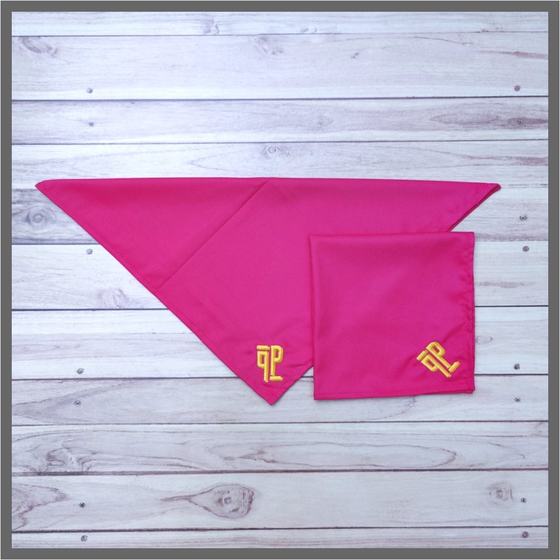
You can see our table linen on the table linen work gallery, and browse soft furnishings and merchandise in the merchandise catalogue.
Hotels, lounges and multi-outlet brands
Hotel lobbies, lounges and multi-outlet cafe brands need cushions to stay consistent across rooms, sites and reorders. Fix a specification once: fabric, colour reference, print artwork, size and zip position. Keep it on file so a replacement cover ordered a year later for one outlet matches the ones already on the seats. For terraces and poolside seating, keep a separate outdoor specification rather than stretching the indoor fabric to cover both. If you are running a larger interior refresh across outlets, order a small pilot set for one site first and check wear and washing for a few weeks before rolling out.
Cushion covers as merchandise
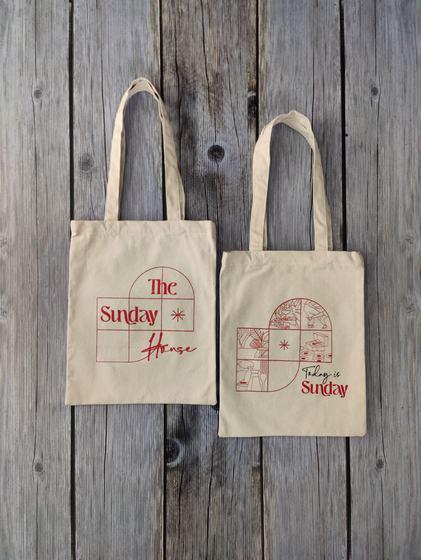
If your interior illustration is something guests already love, a cushion cover can work as a retail or gifting item alongside totes and mugs. Keep it to one strong design in a small run and see whether it moves. Our guide to restaurant merchandise that sells explains how to test a new item without a storeroom full of stock.
Planning soft furnishings for a new cafe
For a new opening, order cushions after the furniture is final and measured, but early enough that they arrive before your photo shoot and soft launch. Allow time for a fabric swatch, a sample cover, and production. Our restaurant opening supplies checklist puts cushions, linen, uniforms and menus into one timeline.
Want cushions that match your uniforms and napkins? Send your brand colours and seat photos and we will put together fabric and print options.
WhatsApp +91 98213 34906 Email info@restrocart.comGet a quote for custom cushion covers
RestroCart designs and makes custom printed cushion covers for cafes, restaurants and hotel lounges, alongside table linen, uniforms and merchandise, and delivers anywhere in India. Message us on WhatsApp at +91 98213 34906 with your sizes and quantity, or send your requirement through our quote builder.