Buying guide, Merchandise
Branded Tote Bags for Cafes, Bakeries and Restaurants: Canvas vs Jute vs Cotton, Printing, and Retail vs Giveaway
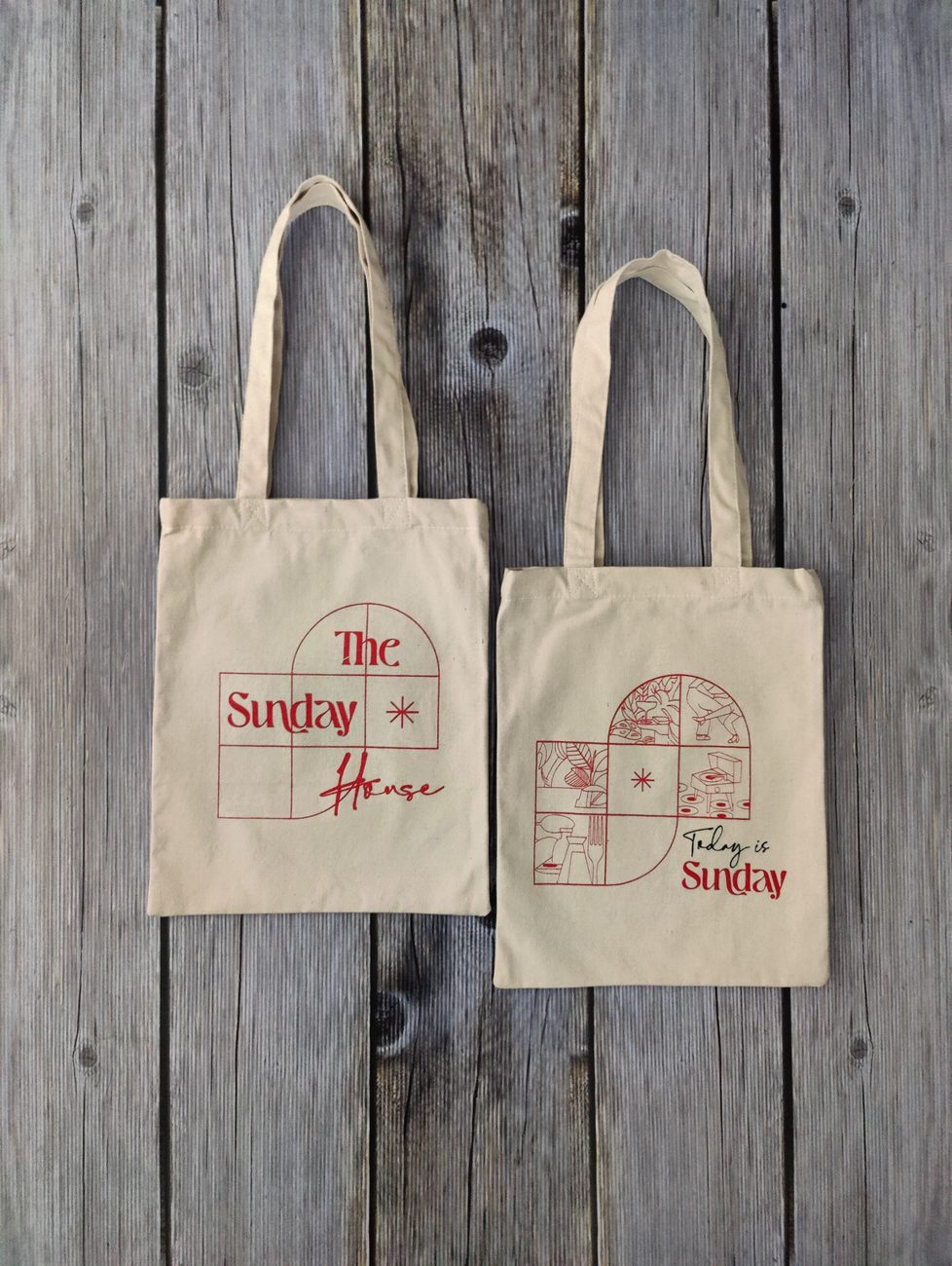
Branded tote bags for cafes, bakeries and restaurants do two jobs at once. They carry a guest's coffee beans, sourdough or cake box home, and then they carry your logo around the neighbourhood for years. The difference between a tote that gets used every week and one that ends up in a drawer usually comes down to three decisions: the fabric, the print, and whether you meant to sell it or give it away.
This guide covers all three, in the order we would think about them if we were placing the order. It draws on the tote bags, drawstring bags and merchandise kits we make for F&B brands from our studio in Naraina, New Delhi.
Start with the job: retail, giveaway or packaging?
Before fabric or colour, decide what the bag is for. Many tote orders that disappoint were specified for one job and used for another.
- Retail merchandise. Sold at the counter alongside your beans, mugs or caps. It has to be good enough that someone would buy it without the logo. Heavy canvas, a useful size, reinforced handles and artwork with some design intent.
- Giveaway or loyalty reward. Given to regulars, at a launch, or with a large order. Cost per piece matters more, so a lighter cotton with a clean one-colour print is usually right.
- Premium packaging. A reusable bag that replaces a paper carry bag for celebration cakes, hampers or festive boxes. Stiffness and carrying strength matter most, which is where jute and juco earn their place.
If you are still deciding what to stock at all, our guide to restaurant merchandise that actually sells explains why totes are usually the safest first item to test.
Canvas vs jute vs cotton: the fabric comparison
These are the three fabrics most cafes and bakeries in India choose between. Each looks and behaves differently, and none is the right answer for every brand.
| Fabric | Typical weight | Look and feel | Best for | Watch out for |
|---|---|---|---|---|
| Cotton canvas | 8 to 12 oz (about 270 to 400 GSM) | Dense, structured, premium; natural, black or dyed colours | Retail totes, coffee and bakery merchandise, staff gifts | Heavier and costlier per piece; needs strong handle stitching |
| Light cotton (calico) | 140 to 180 GSM | Soft, thin, folds small | Giveaways, events, loyalty rewards, drawstring bags | Can look like packaging if the print is weak; stretches under heavy loads |
| Jute (hessian) | Stiff, coarse weave, usually laminated inside | Rustic, earthy, very sturdy | Bakery and cake carry bags, festive hampers, gifting | Fine artwork loses detail; bulky to store; the smell of raw jute fades slowly |
| Juco (jute and cotton blend) | Medium body | Softer than jute, textured, smoother print surface | Bakeries and cafes that want a natural look with sharper printing | Fewer colour options than cotton |
A useful rule: if the bag will carry something heavy and square, such as a cake box, a stack of bread or a coffee hamper, choose canvas or jute with a gusset. If it will carry a book, a laptop or a bag of beans, cotton or canvas without a wide gusset is lighter and folds better.
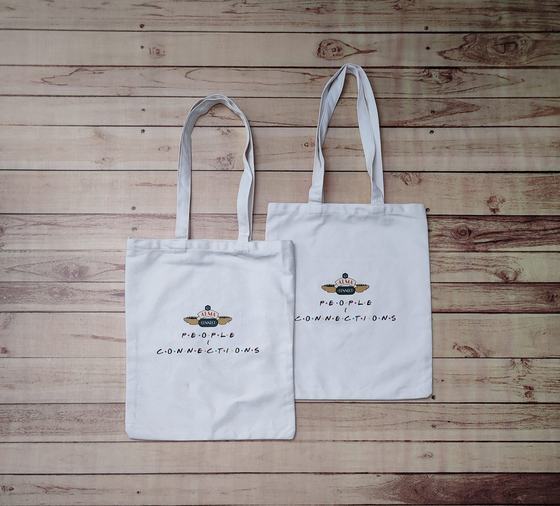
Colour of the fabric
Natural (unbleached) canvas and cotton photograph well, suit almost every palette and hide less dirt than you might fear. Black canvas looks sharp for cocktail bars and specialty coffee but needs a light ink, which usually means an underbase and a slightly higher print cost. Dyed canvas in your brand colour is possible for larger runs; ask for a physical swatch, because dyed canvas rarely matches a screen colour exactly.
Construction details that decide whether a tote lasts
Two bags in the same fabric can last very differently. When you compare quotes, ask about these details as well as the fabric weight:
Tote bag construction checklist
- Handle length: short handles (about 35 to 40 cm drop) for hand carry, long handles (about 60 to 70 cm) for over the shoulder. Most guests prefer shoulder length.
- Handle attachment: box-and-cross stitching or a double row of stitching where the handle meets the bag.
- Gusset: a flat tote for books and beans, a bottom gusset for cake boxes and bread.
- Inner pocket: small, but guests notice it and it raises the perceived value of a retail tote.
- Closure: open top, press button or zip. A zip suits retail; open top suits giveaways.
- Lamination: jute is usually laminated inside for shape and to stop crumbs escaping. Ask whether it is.
- Pre-washed or pre-shrunk fabric if guests will machine wash the bag.
- Label or tag: a small woven label or printed tag inside makes a retail tote feel finished.
Printing and branding: what works on which fabric
The print is where a tote either becomes something people want to carry or something they hide at the bottom of a cupboard. Here is how the main methods compare on bags.
Screen printing
The standard for tote bags. Ink is pushed through a mesh screen, one screen per colour, which makes it crisp, durable and economical once the screens are set up. It is at its best with one or two flat colours, which is also what most good tote artwork uses. It is the usual choice for cafe and bakery totes.
Heat transfer and DTF
A printed film is pressed onto the fabric. This handles full-colour artwork, gradients and photographs, and makes sense for small runs where screen setup would be out of proportion. On heavy canvas the finish sits on top of the weave, so it can feel slightly plasticky compared with screen print.
Embroidery
Looks premium on heavy canvas, especially a small logo on the front corner, and survives years of use. It is not suited to large designs or thin cotton, where it can pucker. Our embroidery vs printing guide explains the same trade-offs on uniforms.
Jute and printing
Jute's open weave swallows fine detail. Keep artwork bold: a large wordmark, simple shapes, thick lines. If your logo has fine script or thin strokes, juco or canvas will reproduce it far better.
Design the tote you would buy if it had no logo on it. Then put the logo on it, smaller than your first instinct.
Planning totes for your cafe or bakery? Send your logo, the job the bag has to do and a rough quantity. We will suggest fabric, size and print, with a mockup.
WhatsApp +91 98213 34906 Email info@restrocart.comRetail vs giveaway: how the decision changes the bag
This is the decision that most affects cost and the bag's life after it leaves your counter.
| Retail tote | Giveaway or loyalty tote | |
|---|---|---|
| Fabric | Canvas, 8 to 12 oz, or quality juco | Light cotton, 140 to 180 GSM |
| Designed artwork, one or two colours, sometimes a back print | Clean logo or a short line, one colour | |
| Extras | Inner pocket, woven label, zip or button | None needed |
| Where it lives | At the till, beside the coffee machine, folded in a small full stack | Behind the counter, given with a large order or on a set occasion |
| Success looks like | Guests buy it and you see it around town | Regulars carry it and remember who gave it to them |
Many cafes start with a giveaway run for regulars, watch which design gets carried, and turn that design into a heavier retail version for the counter. It is a low-risk way to test. For festive runs and corporate orders, our festive and corporate gifting guide covers how totes fit into a gift kit alongside mugs, coasters and notebooks.
Bakeries, hotels and cafes: what different businesses order
Bakeries and patisseries
The bag usually has a practical job: carrying a cake box level, or a few loaves and a jar of preserve. A gusseted canvas or jute bag sized a little larger than your standard cake box is the most useful shape. Bakeries often pair a reusable tote for regulars with branded paper bags for everyday orders.
Specialty coffee and all-day cafes
Coffee brands tend to sell totes with their beans and mugs. A flat canvas tote that fits a bean bag and a laptop, with artwork that feels like a design object, is the format that sells. See how totes sit alongside printed mugs and enamelware in a small merchandise range.
Hotels, clubs and laundries
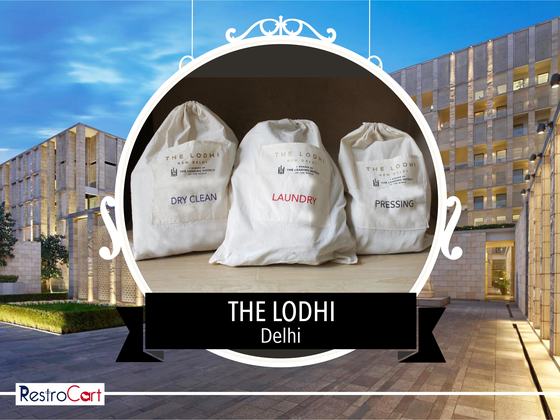
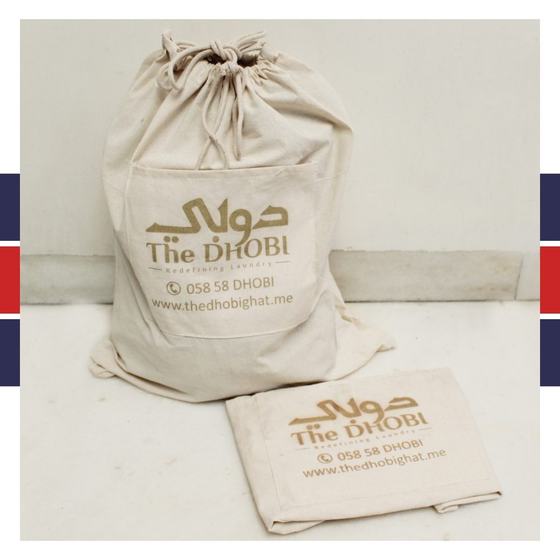
Here the cotton bag is often functional rather than promotional: laundry bags, amenity bags, drawstring pouches for guest items. Printing is usually one colour and small, and the bag is chosen for washability.
Tote bag vs paper carry bag for takeaway
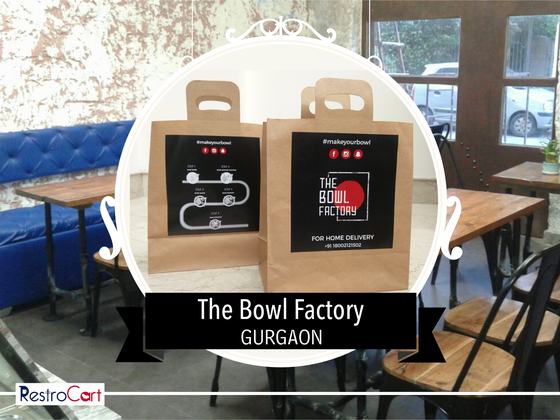
A reusable tote is not a replacement for a takeaway carry bag, and trying to make it one is where budgets go wrong. For everyday takeaway and delivery, a printed kraft paper bag does the job and is expected. The tote is the upgrade: for a celebration cake, a festive hamper, a large order from a regular, or something a guest chooses to buy. Our guide to branded delivery packaging covers paper bags, stickers and seals for everyday orders.
How to brief a tote bag order
A tote brief can be short. Send these and you will get an accurate mockup and quote in one round:
- The job: retail, giveaway or packaging.
- What it will carry, with dimensions if it is a box.
- Fabric preference, or ask us to recommend.
- Artwork: logo as a vector file, plus any illustration or line you want on it.
- Number of print colours and whether you want a back print.
- Quantity and the date you need them in hand.
Our design team turns this into a mockup, we make a sample for approval, and production starts only after you sign off. Artwork and specifications stay on file, so a reorder before Diwali or your anniversary matches the first batch. You can see finished bags on our tote bag work gallery and the full range in the merchandise catalogue.
Ready for a tote bag mockup? Tell us the fabric you like, what the bag will carry, and your date. We reply the same day.
WhatsApp +91 98213 34906 Email info@restrocart.comGet a quote for custom tote bags
Whether you are looking for a custom tote bag manufacturer in Delhi for your cafe counter or a reusable bag for your bakery's celebration cakes, RestroCart designs, samples, prints and delivers anywhere in India. Message us on WhatsApp at +91 98213 34906 with your logo and quantity, or build your request in our quote builder.
See the real thing: 10 delivery bags we have made