Buying guide, Packaging
Branded Paper Sleeves, Butter Paper, Wrappers and Liners for Burgers, Waffles, Sandwiches and Bakery
Branded paper sleeves, butter paper, wrappers and liners are the packaging your guests actually hold. The box goes in the bin and the bag goes on the counter, but the wrapper around a burger, the sleeve around a waffle and the liner on a tray are in their hands, in their photos, and in front of their faces for the whole meal. They are also some of the least expensive branded items a food business can buy.
This guide covers the main types, which paper to choose, how to design a print that works on something that gets folded and crumpled, and what to ask about food safety. For bags, boxes, stickers and seals, see our broader guide to branded delivery packaging.
The main types of branded food papers
| Type | Used for | Typical paper | What matters most |
|---|---|---|---|
| Burger and sandwich wraps | Burgers, wraps, rolls, sandwiches, kathi rolls | Greaseproof or butter paper, about 30 to 45 GSM | Grease resistance, folds tightly without tearing |
| Waffle, crepe and fries sleeves | Waffles on a stick or in hand, crepes, fries, hot dogs | Heavier greaseproof or coated paper, often pre-formed into a pocket or cone | Holds shape, easy to hold, open top for eating |
| Tray liners and placemat papers | Trays in QSRs, food courts, cafes and pizzerias | Greaseproof or coated paper cut to tray size | Size matched to tray, print visible around the food |
| Bakery tissue and bread papers | Pastries, cookies, bread loaves, cake boards | Thin greaseproof or glassine-style paper | Clean handling, a neat finish when folded |
| Cutlery and straw sleeves | Disposable cutlery kits, napkin wraps | Paper sleeves, printed and sealed or folded | Hygiene, a finished look in the delivery bag |
| Cup sleeves | Hot coffee and tea cups | Corrugated or heavy card sleeves | Heat protection, grip, a big print surface |
Most restaurants start with one: the wrap or sleeve for their signature item. That single paper does more for the brand than a box, because it is what appears in every photo of the food.
Butter paper vs greaseproof paper vs plain paper
In Indian kitchens, "butter paper" is used for almost any thin, grease-resistant food paper. The distinction that matters to a buyer is whether it genuinely resists oil and moisture for as long as the food sits in it.
- Greaseproof paper is processed so oil does not soak through quickly. It is the standard choice for burger wraps, fried food and bakery.
- Butter paper (parchment-style) is smooth and translucent, resists grease and moisture, and gives a clean, premium look for sandwiches and pastries.
- Wax or coated papers resist moisture well and suit wet or saucy items, but check whether they are compatible with the print method and your disposal requirements.
- Plain kraft or bond paper is fine for dry items and outer sleeves, but it spots and goes translucent with oil. It should not be in direct contact with greasy food.
Test the paper with your actual food. Wrap a burger or waffle, leave it for the length of a typical delivery, and check for oil spotting, sogginess and tearing at the folds. That test tells you more than any specification sheet.
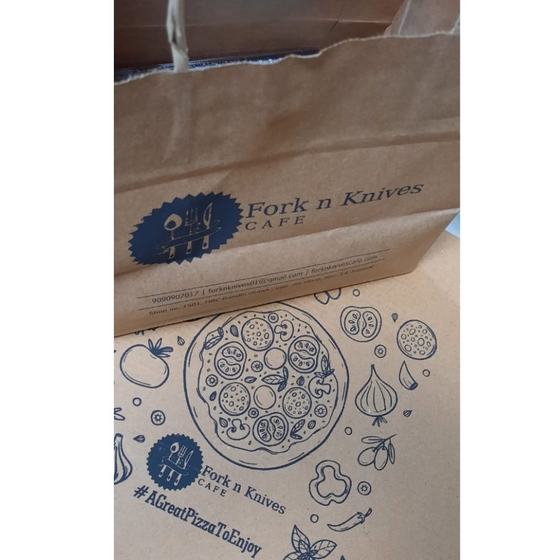
Designing a print that survives folding
Wrappers and sleeves are folded, twisted and crumpled. A design that looks perfect flat on screen can disappear into the folds. Principles that work:
Use a repeating pattern
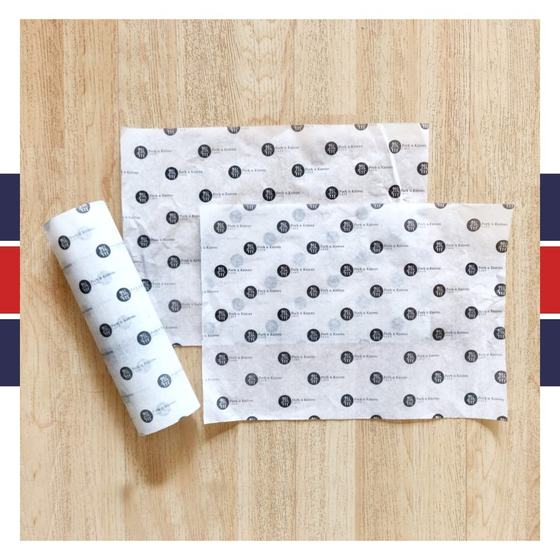
An all-over repeat of your logo, an icon or a short line is the most reliable design for wraps. However the paper is folded, the brand is visible. A single large centred logo will almost always land in the fold or on the underside.
Keep ink coverage light
On thin paper, heavy ink coverage can make the paper stiff, affect grease resistance and show through. A pattern with plenty of open space looks cleaner and feels better in the hand.
One or two colours
One-colour and two-colour prints are sharper and more economical on thin food papers than full colour. A single brand colour on white or natural paper is the classic look for burgers and sandwiches.
Placed prints for sleeves and liners
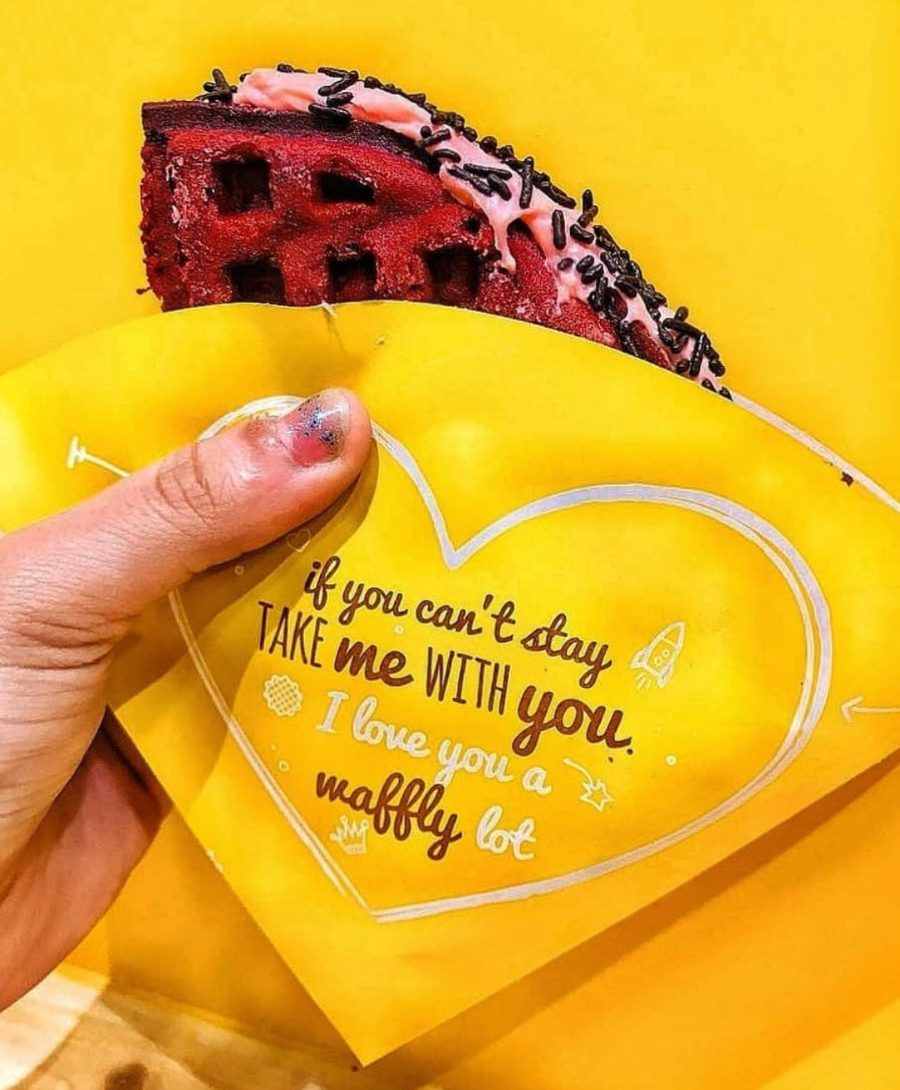
Sleeves and tray liners are different: they are seen flat or in a fixed orientation, so a placed design works. A waffle sleeve can carry a line of copy and an illustration; a tray liner can carry your menu highlights, a QR code or a story about the brand around the edges where food does not sit.
The wrapper is the only part of your packaging that appears in every photo of the food. Design it for the photo.
Want custom printed wrappers or sleeves? Tell us the item, its size, your monthly usage and your logo. We will suggest a paper, a size and a pattern with a mockup.
WhatsApp +91 98213 34906 Email info@restrocart.comFood safety: what to ask your supplier
These papers touch food, so the paper and ink matter as much as the look. FSSAI's packaging regulations govern materials that come into contact with food, and newspaper and non-food-grade paper should never be used to wrap food. When you buy printed food papers, ask:
Food-contact questions for printed papers
- Is the base paper food grade, and can you share the specification or certificate?
- Are the inks suitable for food packaging?
- Is the print on the outer face, or kept light where the food sits?
- How long does the paper resist grease with hot, oily food?
- Is the paper suitable for the temperature of the food, including items straight from the fryer or grill?
- How are finished papers packed and stored to keep them clean and dry?
- Is the paper recyclable or compostable, if that matters to your brand and your city's waste rules?
Store wrappers and liners the way you store other food packaging: sealed, off the floor and away from moisture. Kitchen teams should handle them with clean hands, just like the food. Our kitchen hygiene guide covers the uniform side of the same discipline.
Sizes and formats by food
Burgers
Square sheets are the norm. Measure your biggest burger and allow enough to wrap it fully with an overlap; many burgers fit a sheet of around 30 by 30 cm, while stacked burgers need larger sheets. Some QSRs use a half-wrap or pocket that leaves the top open for eating.
For delivery, the wrapper has to survive a longer journey in a closed box or bag, where steam builds up. A slightly heavier greaseproof paper, or a wrap plus a paper sleeve, keeps the bun from going soggy and the print intact until the customer opens it. Test with a real delivery run before you approve the paper.
Waffles and crepes
Pre-formed pockets, cones and open sleeves hold the item upright and keep hands clean. A sleeve with a printed line of copy, a playful message or an illustration makes the waffle instantly recognisable in photos.
Sandwiches, wraps and rolls
Rectangular sheets that wrap once with an overlap, often secured with a branded sticker. For wraps and kathi rolls, a half-sleeve lets guests eat without unwrapping completely.
Bakery
Thin tissue for pastries and cookies, printed liners for cake boards and boxes, and bread papers for loaves. Bakeries often combine a printed tissue with a plain box and a sticker. Our bakery and patisserie guide covers the team side of the same brand.
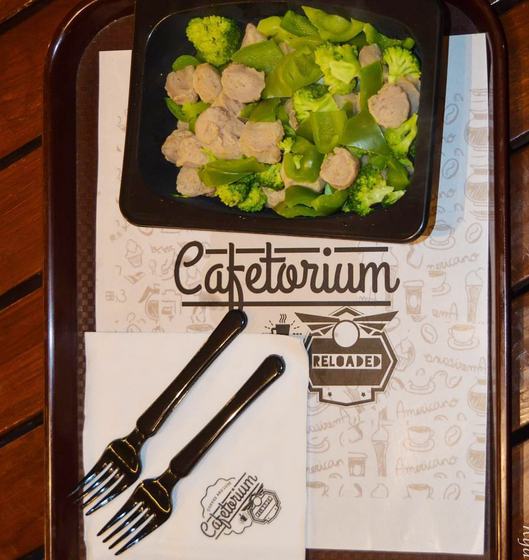
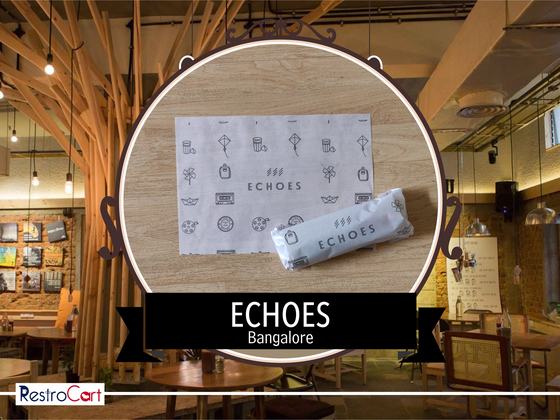
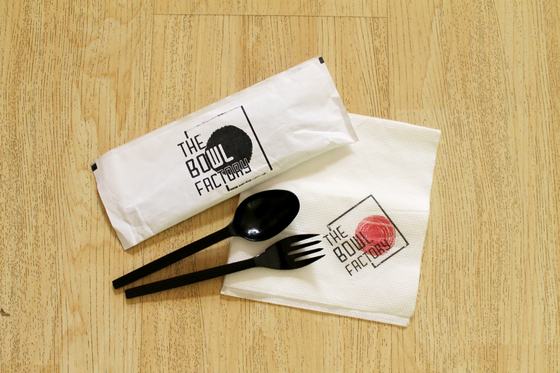
Tray liners: the easiest dine-in upgrade
For QSRs, food courts, cafes and pizzerias that serve on trays, a printed liner covers the tray, catches crumbs and grease, and gives you a full-size printed surface in front of every guest. Use the space: a short brand story, your signature items, a QR code for reviews or ordering, or a seasonal message. Cut the liner to the tray with a small margin so it sits flat. If you are also choosing the trays themselves, our guide to trays, platters and serving boards covers sizes and materials.
Pairing wrappers with the rest of your packaging
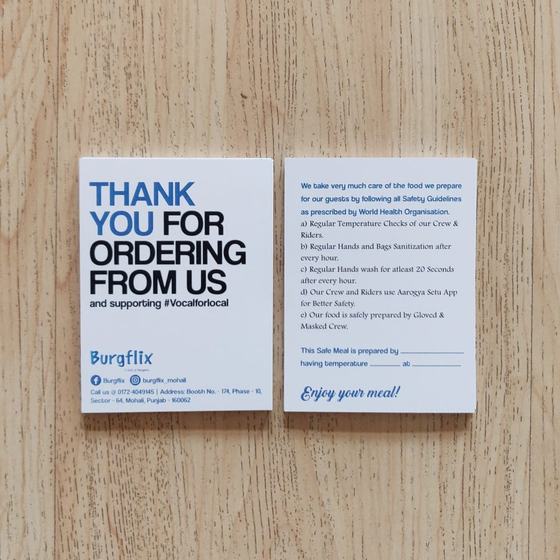
A wrapper works best as part of a set: the same pattern on the wrapper, the sleeve and the tray liner; a sticker that seals the bag in the same colour; and a thank-you card in the delivery bag. Our guide to stickers, thank-you cards and stationery covers those pieces. When the same studio holds your artwork and colour references, the wrapper, the bag, the menu and the uniform all match. See more on our packaging work gallery and in the packaging and print catalogue.
How to brief a custom wrapper or sleeve order
- The item and its size, with a photo if possible.
- The format: sheet, roll, pocket, cone, sleeve or liner.
- Approximate monthly usage, so we can suggest the right print method and quantity.
- Your logo as a vector file and brand colours.
- Any line of copy or illustration you want on it.
- The date you need the first stock in your kitchen.
We send a mockup and sample for approval and only then print. Artwork and specifications stay on file, so reorders match.
Ready to brand your wrappers and liners? Send your item sizes, usage and logo. We reply the same day with paper options and a mockup.
WhatsApp +91 98213 34906 Email info@restrocart.comGet a quote for branded food papers
If you are looking for a custom butter paper printing supplier in Delhi for your burger joint, waffle kiosk, sandwich bar or bakery, RestroCart designs and prints wrappers, sleeves, tray liners and bakery papers and delivers anywhere in India. Message us on WhatsApp at +91 98213 34906, or send your requirement through our quote builder.
See the real thing: 10 delivery bags we have made