Buying guide, Uniforms
Kitchen Uniforms and FSSAI Hygiene Rules: What Indian Restaurants Must Provide Their Food Handlers
Food safety inspections in India are not only about fridges and floors. Inspectors, auditors and increasingly guests look at the people handling food: whether hair is covered, whether coats are clean, whether the cook at the pass is wearing street shoes. The uniform is the most visible part of a restaurant's hygiene system, and FSSAI's rules say so directly.
This guide explains what the regulations actually require of food handlers' clothing, and how to turn those requirements into a sensible uniform specification for an Indian kitchen. We make kitchen uniforms for a living, not hygiene audits, so treat this as practical guidance rather than legal advice, and check the current regulations or a food safety consultant for your specific licence.
What the regulations say
India's food safety law is the Food Safety and Standards Act, 2006. The hygiene rules most restaurants work under sit in Schedule 4 of the Food Safety and Standards (Licensing and Registration of Food Businesses) Regulations, 2011. Schedule 4 is divided into parts: Part I sets general hygiene and sanitary practices for registered food businesses, and Part V covers catering and food service establishments that hold a licence.
FSSAI's own basic food safety training manual for catering, used in its FoSTaC programme for Food Safety Supervisors, summarises the personal hygiene rules. The key clothing requirement reads:
All food handlers shall wear suitable clean protective clothing, head covering, face mask, gloves and footwear.
The same manual adds three points that affect uniforms directly:
- Street shoes should not be worn inside the food preparation area while handling and preparing food.
- Visitors who must enter the food production area should wear protective clothing and wash and sanitise their hands.
- Changing facilities and separate lavatories should be provided for staff, and rest rooms should be separate from food areas.
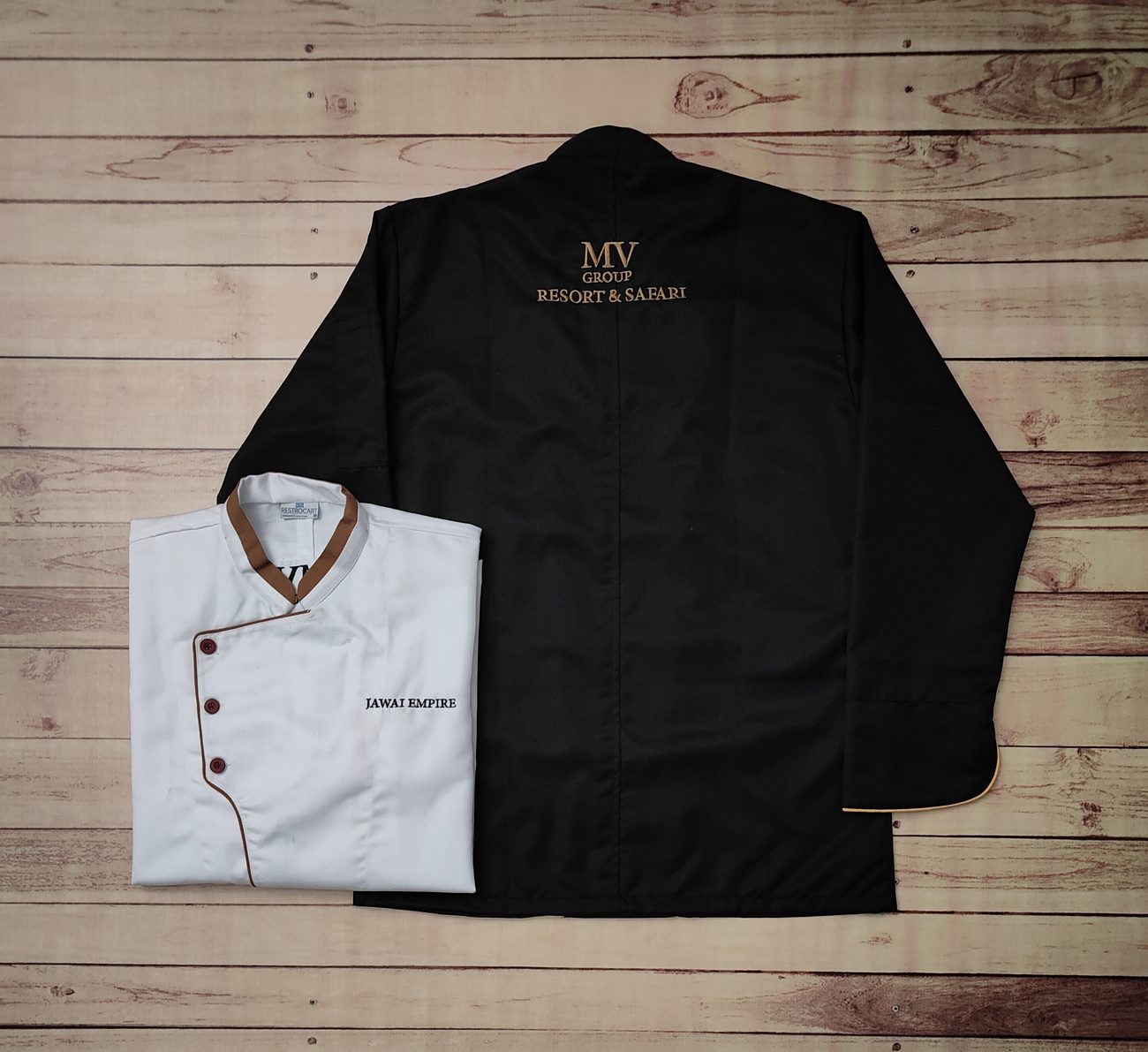
Note what the rule does not say. It does not specify a colour, a fabric or a style. A white double-breasted chef coat is not legally required; a clean, suitable garment that protects food from contamination is. That leaves restaurants free to design uniforms that suit their brand, as long as they meet the hygiene intent.
Turning the rule into a uniform specification
Here is how each item in the requirement translates into something you can order.
| FSSAI requirement | What it means in practice | Uniform specification we recommend |
|---|---|---|
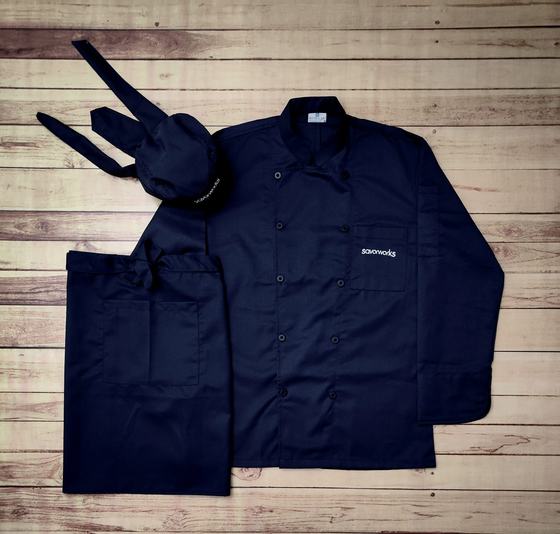
| Clean protective clothing | A clean garment at the start of every shift that covers personal clothing | Chef coat or chef tee plus bib apron; three sets per person |
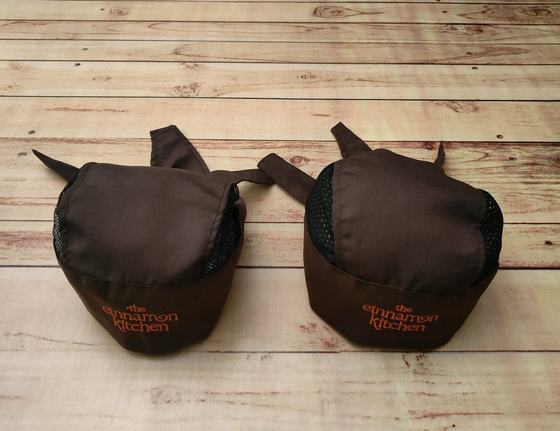
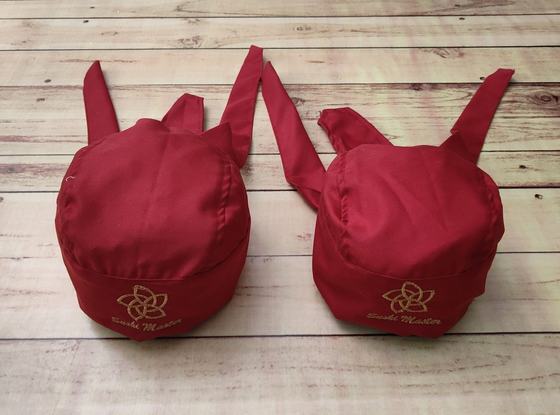
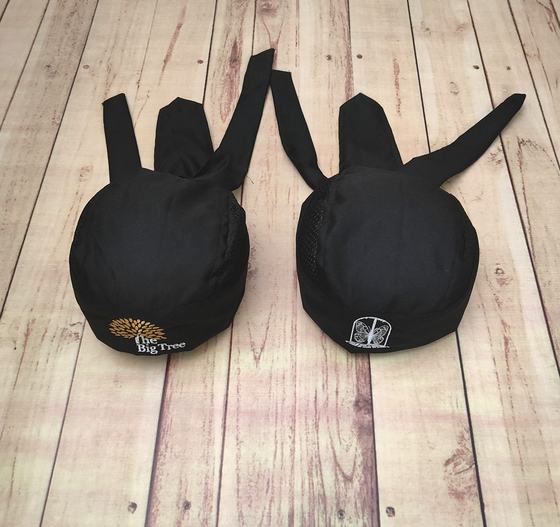
| Head covering | All hair contained, so it cannot fall into food | Skull cap, beret cap or bandana cap that fully covers hair; hair nets under caps for long hair; beard nets where needed |
| Face mask | Mouth and nose covered where required by the task | Washable branded masks or disposable masks; kept clean and changed regularly |
| Gloves | Hand protection for ready-to-eat food and hot work | Disposable food-grade gloves; heat-resistant gloves for tandoor and grill |
| Footwear | No street shoes while preparing food | Closed, non-slip kitchen shoes kept at work |
| Visitors | Protective clothing for anyone entering the kitchen | A few spare aprons and disposable caps at the kitchen door |
Design details that make a kitchen uniform more hygienic
Meeting the rule is the minimum. These construction details, common in professional kitchens worldwide, make a uniform genuinely safer to cook in:
Secure fastenings
Loose buttons can fall into food. Cloth knot buttons, press studs or concealed plackets are safer than cheap plastic buttons, which also crack in hot washes. We use knotted cloth buttons or press studs on most chef coats.
No pockets above the waist on food handlers
Pens, phones and thermometers in chest pockets can fall into pots. Many kitchens specify no chest pockets, with a sleeve pocket for a thermometer and waist-level pockets on the apron instead.
Full hair coverage
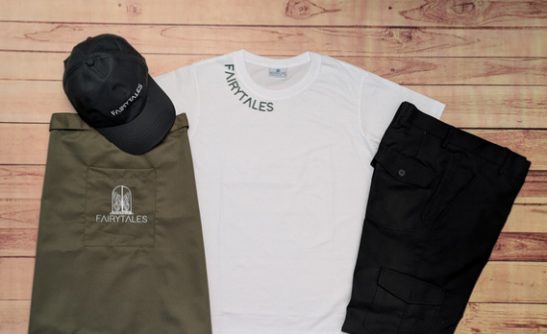
A cap that sits high on the head looks smart but fails its job. Choose caps with an elastic or adjustable back that cover the hairline, and pair them with hair nets for longer hair. Our chef caps and headwear guide compares styles.
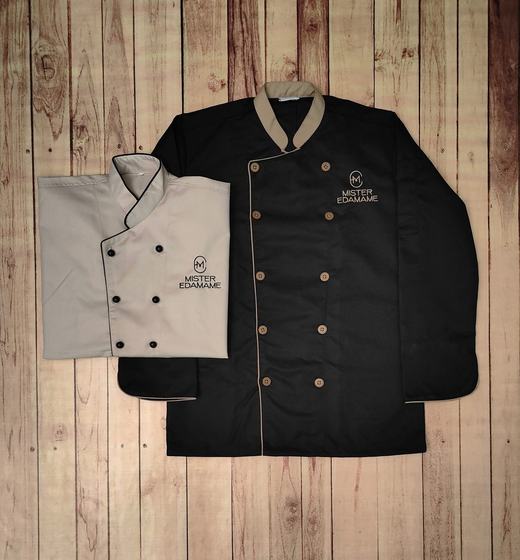
Double-breasted fronts
The classic double-breasted chef coat has a practical reason: the front can be re-buttoned to hide a stain, so the chef can step out of the kitchen looking clean. It also adds a layer of protection from splashes and heat.
Colour that shows dirt, where it matters
White makes soiling visible, which is why it remains the traditional hygiene colour. Darker colours hide stains, which is kinder to appearance but can hide the need to change. A sensible compromise many of our clients use is white or light coats for food preparation and darker aprons that are changed more often.
Fabric that survives hot washing
Clean means washed properly, often hot. Poly-cotton twill of around 200 to 220 GSM keeps its shape and colour through repeated hot washes far better than light cotton. Our chef coat fabric guide explains the options.
Planning kitchen uniforms for an inspection or a new licence? Tell us your kitchen headcount and sections. We will recommend coats, aprons and headwear for each station.
WhatsApp +91 98213 34906 Email info@restrocart.comHow many sets does a food handler need?
The requirement is for clean protective clothing. A cook who owns one coat cannot start every shift in a clean one. The working standard is three sets per food handler: one being worn, one in the wash, one clean and ready. For hot, wet or messy sections such as tandoor, grill and dishwash-adjacent prep, four is safer. Aprons should be more plentiful still, because they take the most soiling and can be changed mid-shift.
| Item | Per food handler | Notes |
|---|---|---|
| Chef coat or chef tee | 3 (4 for hot sections) | One clean coat every shift |
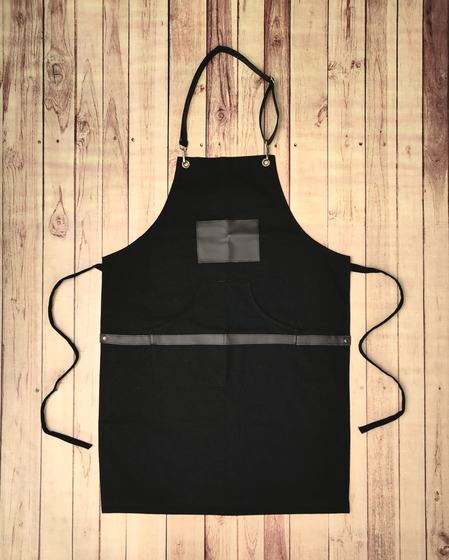
| Bib apron | 3 to 4 | Change when soiled, including mid-shift |
| Cap or head covering | 2 to 3 | Wash with uniforms; hair nets as consumables |
| Kitchen trousers | 2 to 3 | Dark or checked fabrics hide splashes |
| Kitchen footwear | 1 pair kept at work | Closed, non-slip |
| Masks and gloves | Consumables | Stock by daily usage |
Our sizing and quantities guide covers spare ratios and reorder planning.
Colour-coding for raw and cooked, veg and non-veg
FSSAI's catering guidance places heavy emphasis on preventing cross-contamination: separate equipment for raw and cooked food, and separate handling of vegetarian and non-vegetarian food. Many Indian kitchens reinforce this with colour-coded aprons, for example one colour for the non-veg section and another for veg or pastry. It is not a named requirement, but it makes segregation visible at a glance and is cheap to implement when you are already ordering aprons. The same principle is used for housekeeping uniforms, so cleaning staff are clearly distinguishable from food handlers.
Laundry and changing: the part most kitchens skip
A clean uniform worn on a crowded bus is no longer clean. The regulations require changing facilities for staff, and the logic follows: uniforms should be put on at work and taken off at work. In practice:
A simple uniform hygiene routine
- Staff change into uniforms on arrival, in the changing area, not at home.
- Kitchen shoes stay at work; street shoes never enter the prep area.
- Soiled uniforms go into a closed laundry bag, never onto a prep surface.
- Uniforms are washed after every shift, hot enough to clean properly.
- Worn, torn or permanently stained pieces are replaced, not patched indefinitely.
- Spare aprons and caps are kept at the kitchen door for visitors.
Our uniform care guide covers wash temperatures, stain protocol and rotation systems that make this routine easy to run.
What about front-of-house staff?
The clothing requirement is written for food handlers. Servers who carry plated food are handling food in a looser sense, and the same principles apply: clean uniforms every shift, tied-back or covered hair, and no jewellery that can drop into food. Many restaurants use half aprons for servers and caps for counter staff at cafes and bakeries. See our steward and server uniform guide.
Hygiene is also a brand signal
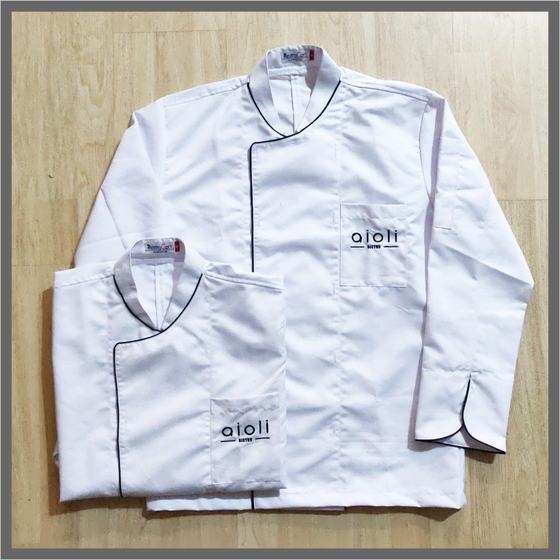
Guests cannot see your cold chain, but they can see your cooks. In open kitchens, cafes with a visible pass, and every restaurant that posts kitchen videos on social media, the uniform is the proof of hygiene that guests actually notice. A crisp coat, a proper cap and a clean apron say more about your kitchen than any certificate on the wall, and they can carry your logo while doing it.
RestroCart has made kitchen uniforms for restaurants, cafes, bakeries, cloud kitchens and hotel outlets across India since 2018. We design them for the realities of Indian kitchens: heat, hot washing and long shifts. For what your kitchen should wear, and in what fabric, start with our uniforms catalogue or send us your kitchen headcount.
This article is practical guidance on uniforms, not legal advice. Regulations are updated from time to time; confirm current requirements on fssai.gov.in or with a qualified food safety consultant.
Dress your kitchen for hygiene and for the brand. Coats, aprons and caps, designed for Indian kitchens, delivered anywhere in India.
WhatsApp +91 98213 34906 Email info@restrocart.com