Buying guide, Tableware
Branded Trays, Platters and Serving Boards for Restaurants and Cafes: Wood, MDF, Engraving, Food-Safe Finishes and Care
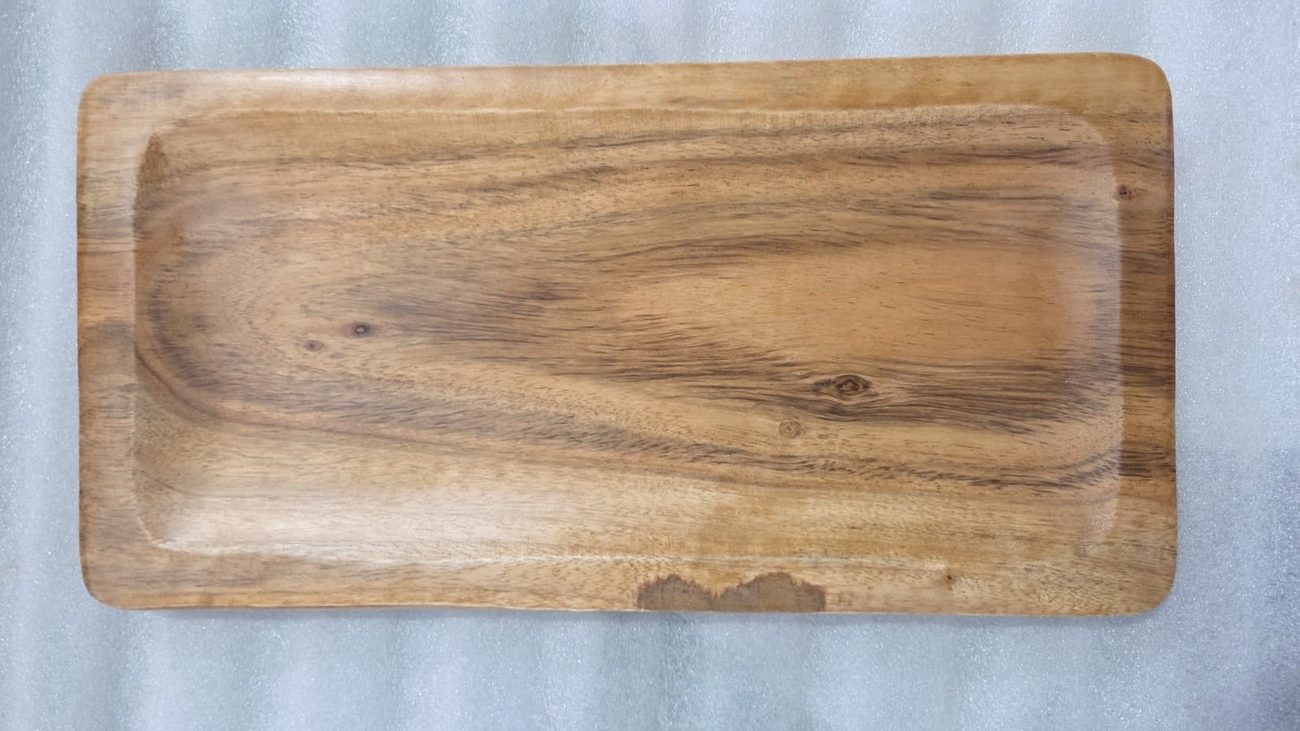
Branded trays, platters and serving boards do two jobs at once. They carry food and drink from the pass to the table, and they frame the dish at the exact moment the guest reaches for a phone. A sharing platter on a well-finished board, a coffee on a branded tray, a bar tray with your logo on the rim: these are the photos that end up on social media, with your brand in the frame.
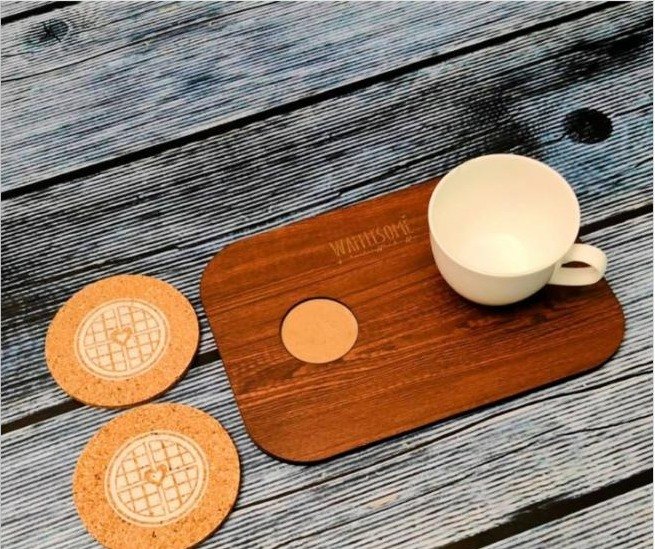
They are also the tableware most likely to be chosen badly. The wrong wood cracks in the wash, the wrong finish is not meant to touch food, and a logo engraved in the middle of a cutting board becomes a groove full of crumbs. This guide covers types, materials, food-safe finishes, branding, sizes and care. At RestroCart we make trays and boards alongside menus, coasters and bill holders; for a quick look at a matched set, see our cork coasters and MDF trays story.
Trays, platters and serving boards: which does what
| Piece | What it carries | Typical service moments |
|---|---|---|
| Serving tray | Cups, glasses, plates and bowls | Coffee service, bar service, room service, tea trays |
| Platter | Food served directly or in small bowls | Sharing plates, mezze, kebab and tikka platters, dessert selections |
| Serving board | Food placed directly on wood | Bread, cheese and charcuterie, burgers, tasting flights |
| Paddle board | Food or a menu, with a handle | Pizza, flatbreads, sharing starters |
| Flight board | A row of small glasses or cups | Beer, coffee or cocktail flights |
The distinction that matters most is simple: does food touch the surface, or do dishes? That single answer decides the material, the finish and where the branding can go.
Where branded trays and boards pay off most
Not every restaurant needs branded trays. They earn their place where the serve is seen and photographed: specialty cafes, where a flat white on a branded tray is the standard social post; bars and breweries, where flight boards and bar trays carry the brand into every round; restaurants built around sharing platters; and hotels and villas, where a room-service or poolside tray is often the only branded object a guest handles in private. If you run a hotel, the same wood tone can carry through to trays, menus and the staff uniforms.
Materials: solid wood vs MDF
Solid hardwood
For any board or platter where food sits directly on the surface, choose solid hardwood. Acacia, mango and sheesham are common choices in India: dense enough to resist knife marks and moisture better than softwoods, with grain that looks good in photographs. Solid wood can be sanded and re-oiled when it wears, so a good board lasts years.
It has two demands. It must never be soaked, and it must be oiled regularly, or it dries, cracks and warps. And no two boards look identical, which most restaurants see as part of the charm.
MDF
MDF is excellent for trays that carry cups, glasses, plates and bowls. It is flat and stable, costs less than solid wood, and takes full-colour UV printing across the whole surface, so a tray can carry your pattern, your brand colour or even a drinks list. Its surface must be sealed and its edges finished, because raw MDF swells when it gets wet.
MDF is not the right surface for food placed straight onto it. If you want the look of a printed MDF board under food, put the food on a plate, in a bowl, or on a sheet of butter paper; our guide to paper sleeves and butter paper covers branded liners.
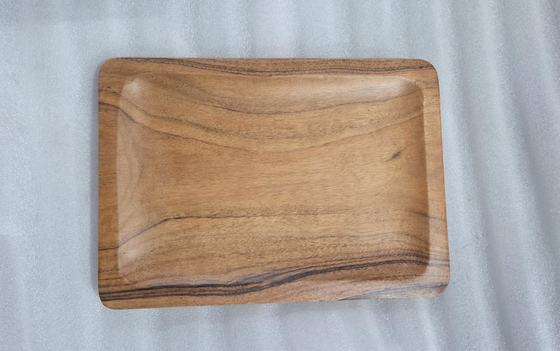
Food-safe finishes: what to ask your supplier
This is where serving boards differ most from other tableware. A finish that is fine on a menu board may not be meant for food contact.
- Food-safe oils. Food-grade mineral oil is the standard finish for wooden boards that touch food. It soaks into the wood, repels water and is easy to reapply in the restaurant.
- Oil and wax blends. Mineral oil combined with beeswax or a similar wax gives a slightly richer sheen and a little more water resistance. Also reapplied by hand.
- Lacquers and varnishes. Hard film finishes suit trays that carry dishes and the outer rims of boards. On surfaces where food is cut or placed directly, ask specifically whether the finish is rated for food contact, because many furniture lacquers are not.
- Cure time. Some finishes need time to cure fully before food touches them. Ask how long, and do not put new boards into service on the day they arrive if the supplier says otherwise.
Ask your supplier to write the finish on the quote. A supplier who cannot tell you what is on the surface of a food board is not one to buy food boards from.
Planning branded trays or serving boards? Tell us what you will serve on them, how many, and your logo. We will suggest wood or MDF, the finish and the branding placement.
WhatsApp +91 98213 34906 Email info@restrocart.comBranding trays and boards: engraving and printing
Laser engraving is the natural choice for solid wood. It burns a permanent, tonal logo into the grain that will not wear off with washing. Where you put it matters:
- Handles and rims are the best spots: visible in photos, away from food and knives.
- The underside works for a quieter mark, or for a batch or outlet code if you run several kitchens.
- Avoid the centre of a cutting or serving surface. Engraved grooves hold crumbs, oil and moisture, and knives cut across them.
UV printing suits MDF trays. It covers the whole surface in full colour, so the tray itself can become a piece of brand artwork, a pattern that matches your wallpaper, or a small drinks list for bar service. Ask for a protective coat over the print, because trays meet wet glasses and cloths every few minutes.
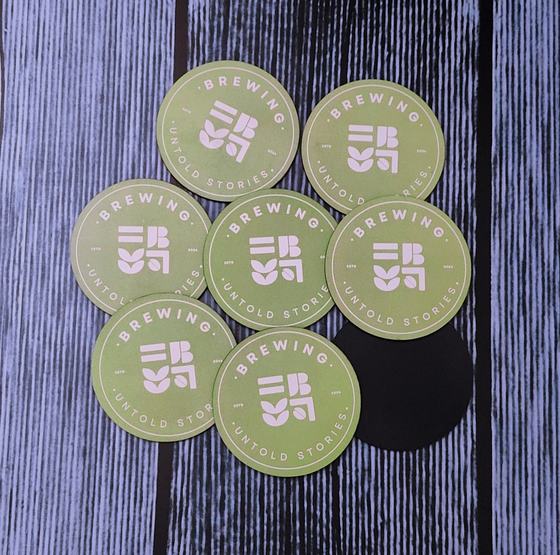
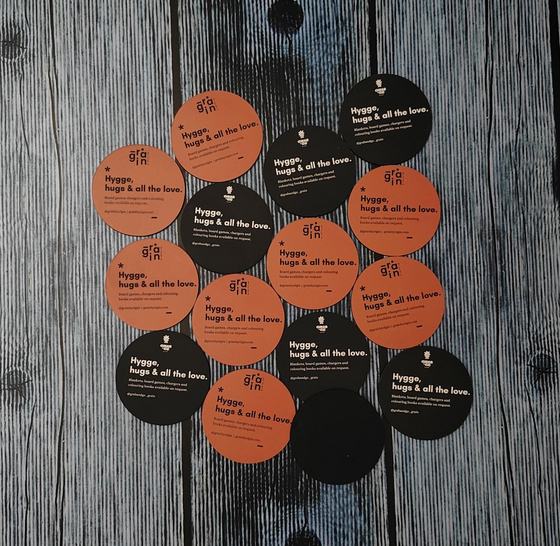
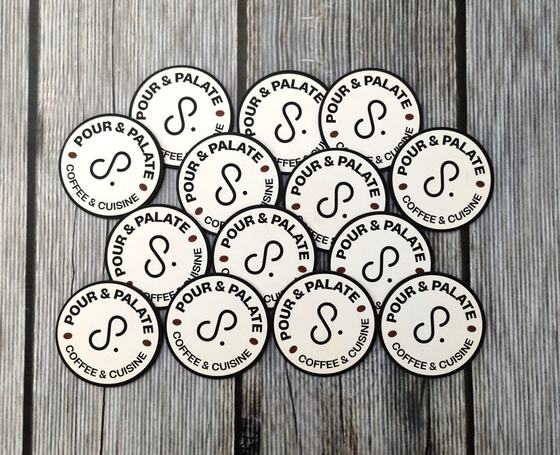
For a table that looks designed, match the tray to the pieces around it: the same wood tone as your cutlery caddies, the same logo treatment as your coasters. Our cork vs MDF coasters guide covers the coaster side.
Sizes and shapes that work in service
Size trays and boards around what they carry, the tables they land on, and the dishwash area they return to.
- Coffee and tea trays: large enough for two cups, a small plate and a sugar pot, with a raised rim so nothing slides.
- Bar trays: round trays are easier to balance on one hand; a non-slip surface helps with full glasses.
- Sharing platters: long, narrow boards fit tables better than large squares and photograph well.
- Burger and sandwich boards: slightly larger than your plate size, with space for fries in a cone or small bucket.
- Pizza paddles: sized to your pizza diameter plus a handle; check they fit your tables when two pizzas land at once.
- Thickness: thicker boards are heavier but warp less; very thin boards look elegant but need more care.
Bring your plates, cups and a typical order to the brief. It is the fastest way to get sizes right on the first sample.
Care: a routine for wooden boards and trays
Most wooden boards that fail in restaurants fail because of the wash, not the service. Give your team a simple routine and put it on the dishwash wall.
Daily care for wooden trays and serving boards
- Scrape off food, then wash by hand with warm water and a mild detergent.
- Never soak boards in the sink and never put them in a dishwasher.
- Rinse, wipe dry immediately, and stand each board on its edge so air reaches both sides.
- Keep boards away from the tandoor, hot plates and direct sun while drying.
- Re-oil with food-safe oil regularly, more often in dry winter months or with heavy use.
- Sand out deep knife marks and re-oil; retire boards with cracks or splits.
- For MDF trays: wipe with a damp cloth only, and watch the edges for any swelling.
Many Indian kitchens also keep separate boards for vegetarian and non-vegetarian food. If you do, make the difference visible: a different wood tone, shape or a small engraved mark on the handle, so a busy team never mixes them up.
How many to order
Count how many of each board go out at your busiest hour, then add the boards that are in the wash or drying, since wooden boards need time to dry fully before the next use. Add a few spares for breakage and retirement. For trays, count servers on the floor at peak plus spares. Ordering all pieces in one run keeps wood tone and branding consistent; a small top-up later may vary slightly in grain, which is natural in solid wood.
What to send for a quote
Your trays and boards brief
- What each piece will carry: dishes, or food directly on the surface.
- Types and sizes: trays, platters, serving boards, paddles, flight boards.
- Quantities for each, plus spares.
- Material preference: solid wood or MDF, and wood tone.
- Branding: engraved or printed, with placement and your logo as a vector file.
- Photos of your plates and tables, if you have them.
- Delivery city and the date you need them.
How RestroCart makes trays and serving boards
You send the brief on WhatsApp or email. Our design team sends mockups with branding placement, suggests material and finish, and makes a sample for approval. Production starts after you approve, every piece is checked before packing, and the order is delivered anywhere in India. We keep artwork and sizes on file, so reorders match. See more on our table accessories work page.
Want branded trays and boards that survive the wash? Send your list and logo. We reply the same day with options and a quote.
WhatsApp +91 98213 34906 Email info@restrocart.comGet a quote. Message us on WhatsApp at +91 98213 34906, email info@restrocart.com, or add them to your list in our quote builder.
See the real thing: 26 cork, MDF and leatherette coasters we have made