Buying guide, Packaging
Insulated Delivery Bags and Backpacks for Restaurants and Cloud Kitchens: Sizes, Insulation, Branding and Rider Comfort
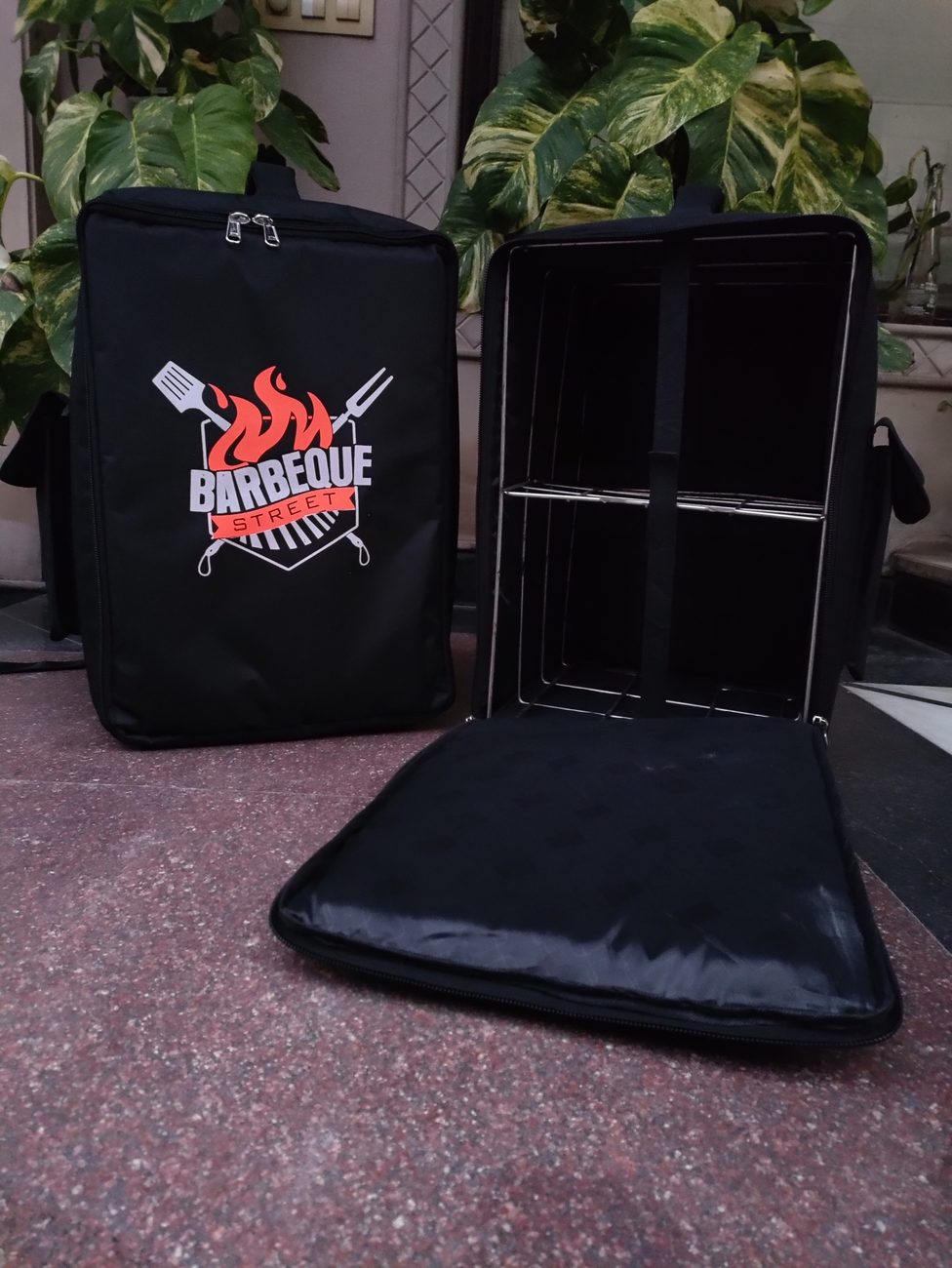
An insulated delivery bag is the last piece of your kitchen that touches the food before the customer does. Insulated delivery bags and backpacks for restaurants and cloud kitchens decide whether a biryani arrives steaming or lukewarm, whether a pizza box arrives flat or folded, and whether your rider spends a ten-hour shift comfortable or sore. They are also the only moving advertisement most delivery brands own.
Our guide to cloud kitchen and delivery rider uniforms covers the rider's kit as a whole. This one goes deep on the bag: sizes, insulation, lining, branding and the details riders notice by week two.
Backpack, box bag or pizza bag: which format?
Start with how your riders travel and how many orders they carry per trip.
| Format | Best for | Strengths | Watch out for |
|---|---|---|---|
| Insulated backpack | Two-wheeler riders, one to three orders per trip | Load close to the body, hands free, easier in traffic and lifts | Limited width for large pizza boxes; needs good back padding |
| Box bag with shoulder strap or carrier mount | Multi-order trips, bike carriers, catering drops | Large, rigid, stacks well, fits meal trays | Heavy when full; awkward for walk-ups and stairs |
| Pizza bag | Pizzerias | Flat and wide, sized to box diameter, keeps boxes level | Only good for pizza; sides and drinks need a second bag |
| Small insulated pouch | Dessert, coffee and single-order deliveries | Light, cheap to stock, easy to hand over | Holds temperature for short trips only |
Many cloud kitchens settle on backpacks for daily riders and keep one or two larger box bags for bulk and catering orders.
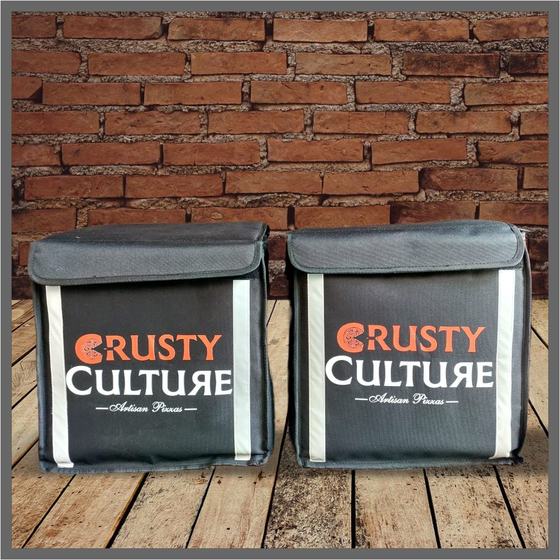
Getting the size right
The most common delivery bag mistake is sizing for the average order. Size for your largest regular order, then add room.
How to size a delivery bag
- Measure your largest box or container footprint: pizza box, meal tray, cake box or biryani handi.
- Count how many you send in one trip at peak, and stack them on a table to measure the height.
- Add space for drinks, a dessert and a divider panel between hot and cold.
- Check the bag still fits your rider's two-wheeler and does not block the mirrors or tail light.
- For cakes and tall desserts, check the internal height with the box lid closed and any topper on.
- Keep a note of these dimensions on file, so new bags match your packaging when you change boxes.
If you are also redesigning your boxes, sleeves or wraps, size the bag last, around the final packaging. Our guides to branded delivery packaging and paper sleeves, butter paper and wrappers cover what goes inside.
Insulation and lining: what actually keeps food warm
An insulated bag slows heat transfer. It does not generate heat. How well it works depends on three things: the foam, the lining, and how tightly the bag closes.
Foam insulation
Closed-cell foam, commonly EPE or PE foam, sits between the outer fabric and the inner lining. Thicker, denser foam holds temperature longer but adds weight and bulk. Ask whether all six sides are insulated, including the lid and base; cheaper bags sometimes skip the base, which is exactly where the heaviest hot containers sit.
Inner lining
A reflective foil-type lining or a wipeable coated fabric is standard. What matters for a restaurant is that it can be wiped clean daily, has sealed or taped seams so spills do not soak into the foam, and does not tear at the corners. A removable rigid base panel helps the bag keep its shape and can be cleaned separately.
Closure
A lid that overlaps the walls and closes with a full zip or a wide hook-and-loop strip loses far less heat than a loose flap. The fewer gaps, the better the bag works.
Dividers
A removable divider lets a rider keep a cold dessert or drink away from a hot main. It also stops containers sliding and spilling on turns, which does more for reviews than most people expect.
Outer fabric and weather
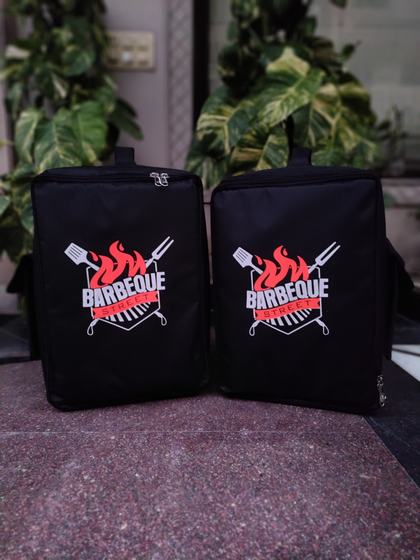
Delivery riders in India work through summer heat, dust and monsoon rain. The outer fabric should be a tough woven polyester or nylon with a water-resistant coating, with a lid that sheds water away from the zip. Heavier denier fabrics resist abrasion from bike carriers and kerbs. Dark colours hide road dust; if your brand colour is light, use it for panels and piping rather than the whole bag.
During the monsoon, the bag and the rider both need protection. Our guide to monsoon rainwear for restaurant staff covers raincoats and ponchos that work with a backpack.
Need delivery bags sized to your packaging? Send your largest box size, orders per trip and rider count. We will suggest a format and send a branded mockup.
WhatsApp +91 98213 34906 Email info@restrocart.comRider comfort: the details riders notice by week two
A rider carries this bag for hours every day. A bag that hurts gets carried badly, left open, or swapped for a plain one. Look for:
- Padded, adjustable shoulder straps wide enough to spread the load.
- A padded back panel, ideally with air channels, because a hot bag against a rider's back in May is miserable.
- A chest strap to stop the bag swinging on turns.
- A grab handle on top for lifting the bag off the bike and carrying it up stairs.
- A small outer pocket for the bill, a phone or a card machine, so the rider does not open the main compartment and lose heat.
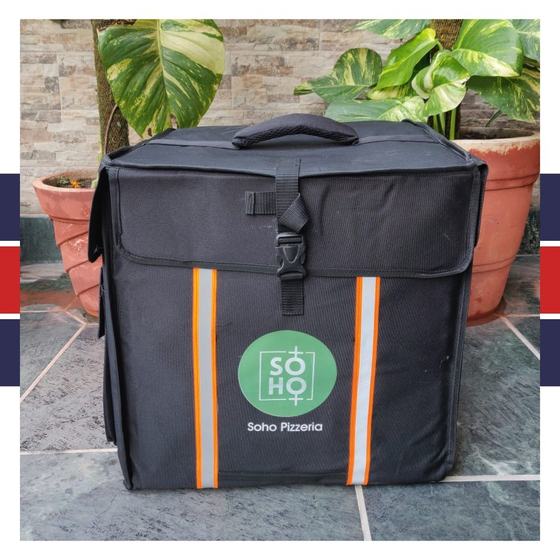
- Reflective strips on the back and sides for night riding. This is a real safety feature, not decoration.
Branding a delivery bag so it works on the road
A delivery bag is seen from behind and from the side, at a distance, while moving. Branding that works on a menu does not always work here.
- Brand the sides and back, not just the lid. The lid is seen by the customer for a few seconds; the back and sides are seen by traffic all day.
- Go large and simple. A bold logo or wordmark in one or two colours reads at a distance. Taglines and phone numbers in small type do not.
- Use contrast. A light print on a dark bag, or a coloured panel with a dark logo.
- Integrate the reflective strips into the design rather than adding them as an afterthought.
- Match the rider's uniform. A bag, a windcheater and a cap in the same colour make a brand look established.
Printing on flat panels before a bag is assembled usually gives a cleaner, better-aligned result than printing on a finished bag, so ask your supplier at which stage the branding is applied.
Hygiene and daily care
Food safety does not stop at the kitchen door. The inside of a delivery bag carries food packaging for hours a day, so it needs the same discipline as a prep surface.
End-of-shift delivery bag routine
- Empty the bag completely, including side pockets.
- Remove the base panel and dividers.
- Wipe the lining, base and dividers with a food-safe sanitiser; dry with a clean cloth.
- Leave the bag open overnight so it airs out.
- Check seams and zips weekly; a torn lining lets spills reach the foam.
- Keep one spare bag per few riders so a damaged bag can be replaced the same day.
Riders' uniforms and bags both matter when a food safety inspector or a customer looks closely. Our kitchen uniform hygiene guide covers the kitchen side.
How many bags to order, and when to replace them
Plan for one bag per rider on shift, plus spares. Spares cover a bag that is drying after a spill, a zip that fails mid-week, and the new rider who joins on a Friday before a long weekend. If you run separate hot and cold menus, such as a dessert brand alongside a meal brand from the same kitchen, a smaller second bag for cold items is often cheaper than a larger bag with a divider.
Replace a bag when the lining tears, the zip no longer closes fully, the foam has compressed so the walls sag, or the print has faded enough that it no longer reads at a distance. A tired, peeling bag says as much about a kitchen as a stained apron does. Keeping your artwork and bag specification on file means replacements arrive looking identical to the originals, rather than a slightly different shade of your brand colour.
Multi-brand cloud kitchens have one more decision: one neutral bag for every brand, or a bag per brand. A neutral bag in the kitchen's parent identity is easier to manage; brand-specific bags build recognition for your strongest label. Some kitchens do both, with brand bags for their lead label and neutral bags for the rest.
What to send for a quote
To quote custom insulated delivery bags accurately, we need: the format (backpack, box bag or pizza bag), your largest box size and orders per trip, the number of riders plus spares, your logo as a vector file, brand colours, and where you want branding and reflective strips. We send a mockup, make a sample for approval, and deliver to your kitchen anywhere in India. See more on our packaging work gallery and the packaging and print catalogue.
Ready to brand your delivery fleet? Send your box sizes and logo, and we will come back with a bag format, a mockup and a timeline.
WhatsApp +91 98213 34906 Email info@restrocart.comGet a quote for branded delivery bags
If you are searching for a custom delivery bag supplier for your restaurant or cloud kitchen, RestroCart can make the bags alongside your rider uniforms and packaging so everything matches. Message us on WhatsApp at +91 98213 34906, or use our quote builder to send your requirement in a few minutes.
See the real thing: 10 delivery bags we have made